What is the tension requirement for an aramid conveyor belt?
As a supplier of aramid conveyor belts, I’ve witnessed firsthand the vital role these belts play in various industries. Aramid conveyor belts are known for their high strength, low elongation, and excellent resistance to wear and tear. However, understanding the tension requirements for these belts is crucial to ensure optimal performance and longevity. Aramid Conveyor Belt
Understanding Aramid Conveyor Belts
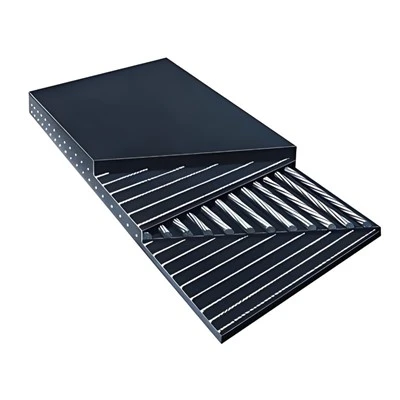
Aramid fibers, such as Kevlar®, are widely used in conveyor belts due to their exceptional mechanical properties. These fibers have a high strength – to – weight ratio, meaning they can withstand high loads while remaining relatively lightweight. When incorporated into conveyor belts, aramid fibers provide excellent dimensional stability and can resist stretching under normal operating conditions.
The unique structure of aramid fibers consists of highly aligned polymer chains, which contribute to their high tensile strength. This strength allows aramid conveyor belts to handle heavy materials and operate at high speeds, making them suitable for industries such as mining, automotive, and food processing.
Importance of Proper Tension
Maintaining the correct tension in an aramid conveyor belt is essential for several reasons:
-
Preventing Slippage: Adequate tension ensures that the belt remains in contact with the drive and idler pulleys, preventing slippage. Slippage can lead to reduced efficiency, increased wear on the belt and pulleys, and even damage to the conveyor system.
-
Even Load Distribution: Proper tension helps distribute the load evenly across the width of the belt. This prevents uneven wear on the belt surface and reduces the risk of belt damage caused by concentrated loads.
-
Belt Tracking: Correct tension is necessary for proper belt tracking. A belt that is too loose may wander off – center, causing material spillage and potential damage to the belt edges. On the other hand, an overly tight belt can put excessive stress on the conveyor components and lead to premature failure.
-
Extended Belt Life: By maintaining the right tension, the aramid conveyor belt is less likely to experience excessive stretching or fatigue. This can significantly extend the service life of the belt, reducing replacement costs and downtime.
Determining the Tension Requirement
The tension requirement for an aramid conveyor belt depends on several factors:
-
Conveyor Design: The type of conveyor system, including the length, width, and number of pulleys, affects the tension needed. Longer conveyors generally require higher tension to overcome the frictional forces along the belt path.
-
Load Characteristics: The weight, size, and shape of the materials being transported play a significant role in determining the tension. Heavier loads or materials with irregular shapes may require higher tension to ensure smooth and efficient conveying.
-
Operating Speed: Higher operating speeds increase the dynamic forces acting on the belt, which may necessitate higher tension to maintain stability and prevent slippage.
-
Environmental Conditions: Factors such as temperature, humidity, and the presence of contaminants can affect the mechanical properties of the belt and the tension requirements. For example, in high – temperature environments, the belt may expand, requiring adjustments to the tension.
To calculate the exact tension requirement, engineers typically use mathematical models that take into account these factors. These models consider the conveyor geometry, load distribution, and the mechanical properties of the aramid belt.
Initial Tensioning
When installing a new aramid conveyor belt, it is crucial to apply the correct initial tension. This is typically done using tensioning devices such as screw – type or hydraulic tensioners. The initial tension should be set according to the manufacturer’s recommendations, which are based on the specific belt design and conveyor application.
During the initial tensioning process, it is important to ensure that the tension is evenly distributed across the width of the belt. This can be checked using tension – measuring devices, such as load cells or tension meters.
Tension Monitoring and Adjustment
Once the conveyor is in operation, the belt tension should be regularly monitored. Over time, the belt may stretch slightly, or the tension may change due to variations in the load or operating conditions. Monitoring the tension allows for timely adjustments to be made, ensuring that the belt continues to operate within the optimal tension range.
There are several methods for monitoring belt tension, including visual inspection, using tension sensors, and measuring the belt’s sag. Visual inspection can reveal signs of excessive tension, such as belt damage or misalignment, while tension sensors provide real – time data on the belt tension. Measuring the belt’s sag is a simple and effective way to check if the tension is within the acceptable range.
If the tension is found to be too high or too low, adjustments should be made promptly. This may involve tightening or loosening the tensioning device. However, it is important to make these adjustments gradually to avoid sudden changes in tension that could damage the belt or the conveyor system.
Challenges in Maintaining Tension
Maintaining the correct tension in an aramid conveyor belt can be challenging due to several factors. One of the main challenges is the variability in the load. In some applications, the load can vary significantly over time, which can cause the belt tension to fluctuate. To address this issue, some conveyor systems are equipped with automatic tension control devices that can adjust the tension in real – time based on the load.
Another challenge is the effect of environmental conditions. For example, in cold temperatures, the aramid belt may become stiffer, which can increase the tension requirements. In hot and humid environments, the belt may absorb moisture, leading to changes in its mechanical properties and tension. Regular inspection and maintenance are essential to ensure that the belt tension is adjusted accordingly.
Conclusion
The tension requirement for an aramid conveyor belt is a critical factor that affects the performance, efficiency, and longevity of the conveyor system. Understanding the various factors that influence the tension and implementing proper tensioning and monitoring procedures are essential for ensuring the reliable operation of the conveyor.
Pipe Conveyor Belt As a supplier of aramid conveyor belts, we are committed to providing our customers with high – quality belts and the support they need to optimize their conveyor systems. If you are interested in learning more about our aramid conveyor belts or have questions about tension requirements, we encourage you to contact us for a detailed discussion and to explore potential purchasing opportunities. Our team of experts is ready to assist you in finding the best solution for your specific application.
References
- Conveyor Belt Handbook, published by a leading industry association
- Technical papers on aramid materials and their applications in conveyor systems
- Manufacturer’s specifications for aramid conveyor belts
Alumina Technology (Qingdao) New Materials Co., Ltd.
As one of the most professional aramid conveyor belt manufacturers and suppliers in China, we also support customized service. With abundant experience, we warmly welcome you to buy aramid conveyor belt for sale here and get quotation from our factory. For price consultation, contact us.
Address: No.448, Jiangshan South Road, Huangdao District, Qingdao City, Shandong Province
E-mail: Gloria.zhang@contitech.cn
WebSite: https://www.altechconveyorbelt.com/
