Can Trace Elements B Mo Co Fertilizer be used in combination with pesticides?
As a supplier of Trace Elements B Mo Co Fertilizer, I often get asked one crucial question by farmers and agricultural enthusiasts: Can our trace elements B Mo Co fertilizer be used in combination with pesticides? This is an important query as it pertains to the efficiency and safety of agricultural practices. In this article, I’ll dive into the science behind this question and provide some practical insights. Trace Elements B Mo Co Fertilizer
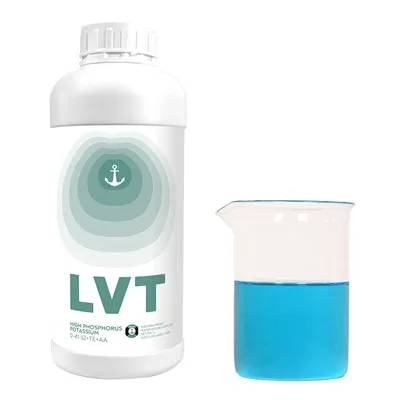
The Role of Trace Elements B Mo Co Fertilizer
Before we discuss the compatibility with pesticides, it’s essential to understand the significance of trace elements B (Boron), Mo (Molybdenum), and Co (Cobalt) in fertilizers.
Boron is vital for cell wall formation, pollen germination, and fruit and seed development in plants. It also plays a role in the transport of sugars within the plant. A deficiency in boron can lead to reduced crop yields, abnormal growth, and poor fruit quality.
Molybdenum is a key component of certain enzymes involved in nitrogen metabolism. It helps plants convert inorganic nitrogen into organic forms, making it easier for the plants to use. Without sufficient molybdenum, plants may show symptoms of nitrogen deficiency, even if there is an adequate supply of nitrogen in the soil.
Cobalt is necessary for the growth of leguminous plants. It is involved in the symbiotic relationship between legumes and nitrogen – fixing bacteria. These bacteria convert atmospheric nitrogen into a form that the plants can use, and cobalt is required for the proper functioning of the enzymes involved in this process.
Our Trace Elements B Mo Co fertilizer is formulated to provide a balanced supply of these essential trace elements. By ensuring that plants receive the right amount of these elements, we can enhance plant growth, increase crop yields, and improve the quality of the produce.
Pesticides and Their Functions
Pesticides are chemicals used to control pests, such as insects, weeds, and fungi. They are an integral part of modern agriculture, helping to protect crops from damage and ensure high – quality yields. There are different types of pesticides, including insecticides, herbicides, and fungicides.
Insecticides are used to kill or repel insects that feed on crops. They target the nervous systems, respiratory systems, or other vital functions of insects. Herbicides are designed to kill or inhibit the growth of unwanted plants, also known as weeds. Fungicides are used to prevent or control fungal diseases in plants, which can cause significant damage to crops.
Compatibility of Trace Elements B Mo Co Fertilizer and Pesticides
The ability to use trace elements B Mo Co fertilizer in combination with pesticides depends on several factors.
Chemical Reaction: One of the main concerns is whether there will be a chemical reaction between the fertilizer and the pesticides. Some pesticides may have acidic or alkaline properties, and if they react with the trace elements in the fertilizer, it could result in the formation of insoluble compounds. This can reduce the effectiveness of both the fertilizer and the pesticides. For example, if a highly acidic herbicide is mixed with a boron – containing fertilizer, the boron may precipitate out, making it unavailable to the plants.
Plant Response: Another factor is the effect on the plants. Some combinations of fertilizers and pesticides may cause phytotoxicity, which is damage to the plants. This can manifest as leaf burn, stunted growth, or reduced yields. It’s important to consider the sensitivity of different plant species to the combinations. For instance, some plants may be more tolerant of certain pesticide – fertilizer mixtures than others.
Target Organisms: The compatibility also depends on the target organisms of the pesticides. If the pesticide is designed to target a specific pest or disease, the addition of the fertilizer should not interfere with its mode of action. For example, if an insecticide works by disrupting the nervous system of insects, the trace elements in the fertilizer should not alter this mechanism.
Testing and Recommendations
To determine the compatibility of our Trace Elements B Mo Co fertilizer with pesticides, we have conducted extensive laboratory tests and field trials. Our results show that in most cases, our fertilizer can be safely used in combination with common pesticides, as long as certain guidelines are followed.
First, it’s important to check the labels of both the fertilizer and the pesticides. The labels usually provide information on compatibility and any specific instructions or warnings. Second, it’s advisable to conduct a small – scale test on a small area of the crop before applying the mixture on a large scale. This allows you to observe any potential adverse effects on the plants.
If the pesticides and the fertilizer are not compatible, they can be applied separately. For example, you can apply the fertilizer first and then wait for a few days before applying the pesticide, or vice versa. This reduces the risk of chemical reactions and phytotoxicity.
Benefits of Using Them in Combination
When used correctly, combining trace elements B Mo Co fertilizer with pesticides can have several benefits.
Efficiency: It saves time and labor as you can apply both the fertilizer and the pesticide in one operation. Instead of making separate trips to the fields, farmers can mix the two substances and apply them simultaneously.
Enhanced Crop Health: The trace elements in the fertilizer can improve the overall health and resistance of the plants. Healthy plants are better able to withstand the impact of pests and diseases. At the same time, the pesticides protect the plants from pest damage. This combination can lead to higher yields and better – quality produce.
Conclusion
In conclusion, our Trace Elements B Mo Co fertilizer can generally be used in combination with pesticides, but it is crucial to take precautions. By understanding the chemical properties of the products, the response of the plants, and following our testing and application guidelines, farmers can safely and effectively use these two agricultural inputs together.

If you are interested in our Trace Elements B Mo Co fertilizer and want to learn more about its compatibility with specific pesticides or have any other questions regarding our products, I encourage you to reach out to us for a detailed discussion. We are always ready to support you in optimizing your agricultural practices and achieving better crop yields.
Humic Acid Fertilizer References
- Marschner, H. (1995). Mineral Nutrition of Higher Plants. Academic Press.
- Stevenson, F. J., & Cole, M. A. (1999). Cycles of Soil: Carbon, Nitrogen, Phosphorus, Sulfur, Micronutrients. John Wiley & Sons.
- Pimentel, D., & Levitan, L. (1986).农药对农作物产量的影响 (The impact of pesticides on crop yields). Bioscience, 36(2), 86 – 90.
Weifang Lvweite Bio-Tech Co., Ltd.
With abundant experience, we are one of the leading manufacturers and suppliers of trace elements b mo co fertilizer in China. Please rest assured to buy bulk high quality fertilizers made in China here from our factory. If you have any enquiry about cooperation, please feel free to email us.
Address: No. 6 Xinchuan Rd, Xin’an Street, Anqiu City, Shandong, China
E-mail: info@lvtfertilizer.com
WebSite: https://www.lvtfertilizer.com/
