How much airflow can an HVLS Fan Motor generate?
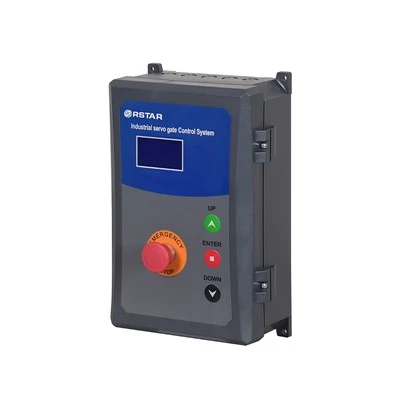
As a seasoned supplier of HVLS (High Volume, Low Speed) Fan Motors, I’ve witnessed firsthand the growing demand for these energy – efficient and effective airflow solutions. One of the most frequently asked questions by potential customers is about the amount of airflow that an HVLS Fan Motor can generate. In this blog post, I’ll delve into this topic, exploring the factors that influence airflow and providing some insights into typical airflow capacities. HVLS Fan Motor
Understanding HVLS Fan Motors
Before we discuss airflow, it’s essential to understand what an HVLS Fan Motor is. HVLS fans are large – diameter fans, typically ranging from 7 to 24 feet in diameter, that operate at low speeds. The motor is the heart of the fan, providing the power needed to rotate the blades. Unlike traditional high – speed fans that create a spot – cooling effect, HVLS fans move a large volume of air over a wide area, creating a gentle, consistent breeze.
The primary advantage of HVLS fans is their ability to improve air circulation and comfort in large spaces such as warehouses, factories, gymnasiums, and agricultural buildings. This is achieved through a principle known as the "wind chill" effect, where the movement of air across the skin makes a person feel cooler than the actual ambient temperature.
Factors Affecting Airflow
Several factors influence the amount of airflow that an HVLS Fan Motor can generate. These include:
- Fan Diameter: The diameter of the fan is a crucial factor in determining airflow. Larger fans have a greater sweep area, allowing them to move more air with each rotation. For example, a 24 – foot HVLS fan will typically move more air than a 10 – foot fan, all other factors being equal.
- Motor Power: The power of the motor determines how fast the fan blades can rotate. A more powerful motor can drive the blades at a higher speed, which in turn increases the volume of air moved. However, it’s important to note that HVLS fans are designed to operate at low speeds, so excessive power is not always necessary. A properly sized motor can achieve the desired airflow while maintaining energy efficiency.
- Blade Design: The shape, pitch, and number of blades also play a significant role in airflow generation. Well – designed blades are aerodynamically efficient, allowing them to move air more effectively. A higher blade pitch means that the blades are angled more steeply, which can increase the amount of air pushed forward with each rotation. However, too high a pitch can also increase the load on the motor and reduce efficiency.
- Ceiling Height: The height of the ceiling where the fan is installed affects the spread and volume of the airflow. In general, taller ceilings allow the fan to create a more widespread and uniform airflow pattern. This is because the air has more space to disperse as it moves downward from the fan.
Measuring Airflow
Airflow is typically measured in cubic feet per minute (CFM). CFM represents the volume of air that passes through a given area in one minute. To calculate the CFM of an HVLS fan, you need to know the fan’s diameter, blade pitch, rotational speed, and the efficiency of the blade design.
Manufacturers often provide CFM ratings for their HVLS fans based on laboratory tests. These tests are conducted under controlled conditions to ensure accurate and consistent results. However, it’s important to note that the actual airflow in a real – world setting may vary depending on factors such as the installation environment, ceiling height, and the presence of obstacles.
Typical Airflow Capacities
The airflow capacity of an HVLS Fan Motor can vary widely depending on the factors mentioned above. Here are some general guidelines for typical CFM ratings based on fan diameter:
- 7 – 10 feet: HVLS fans in this diameter range typically have an airflow capacity of 10,000 – 30,000 CFM. These smaller fans are suitable for smaller spaces such as small warehouses, workshops, or retail stores.
- 12 – 16 feet: Fans in this size range can move between 30,000 – 60,000 CFM. They are commonly used in medium – sized industrial facilities, gymnasiums, and agricultural buildings.
- 18 – 24 feet: The largest HVLS fans can generate an airflow of 60,000 – 100,000+ CFM. These fans are ideal for large warehouses, distribution centers, and arenas where a high volume of air movement is required.
It’s important to select the right – sized fan for your specific application to ensure optimal performance and energy efficiency. A fan that is too small may not provide sufficient airflow, while a fan that is too large can waste energy and create unnecessary noise.
Real – World Applications and Airflow Requirements
Let’s take a look at some real – world applications and the corresponding airflow requirements:
- Warehouses: In a warehouse, proper air circulation is essential to maintain a comfortable working environment and prevent the buildup of heat and humidity. Depending on the size of the warehouse, multiple HVLS fans may be required. For a small warehouse (less than 10,000 square feet), a few 7 – 10 – foot fans with a combined airflow of 30,000 – 50,000 CFM may be sufficient. For larger warehouses (over 50,000 square feet), 18 – 24 – foot fans with a total airflow of 100,000+ CFM may be needed.
- Factories: Factories often have high – heat processes, which require effective ventilation. HVLS fans can help to remove hot air and improve air quality. The airflow requirements will depend on the type of manufacturing process and the size of the factory floor. For example, a metalworking factory may require a higher airflow capacity than a textile factory.
- Gymnasiums: Gymnasiums need to provide a comfortable environment for athletes and spectators. HVLS fans can create a pleasant breeze, reducing the perceived temperature and improving comfort. A medium – sized gymnasium (10,000 – 20,000 square feet) may require 30,000 – 60,000 CFM of airflow.
Energy Efficiency and Airflow
One of the key benefits of HVLS fans is their energy efficiency. By moving a large volume of air at low speeds, they consume less energy compared to traditional high – speed fans. This is particularly important in large – scale applications where energy costs can be a significant expense.
When selecting an HVLS Fan Motor, it’s important to consider not only the airflow capacity but also the energy efficiency. Look for motors with high – efficiency ratings, such as those that meet or exceed industry standards. Additionally, some HVLS fans are equipped with variable – speed controls, allowing you to adjust the airflow and energy consumption based on the specific needs of your space.
Conclusion
In conclusion, the amount of airflow that an HVLS Fan Motor can generate depends on several factors, including fan diameter, motor power, blade design, and ceiling height. By understanding these factors and selecting the right – sized fan for your application, you can achieve optimal airflow and energy efficiency.
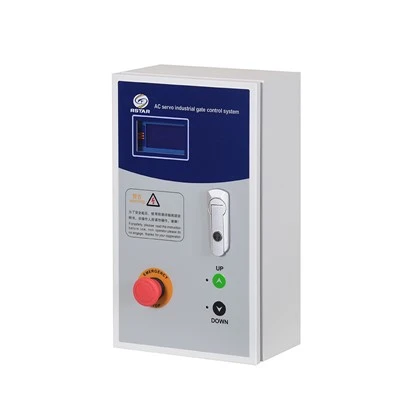
As a supplier of HVLS Fan Motors, we have a wide range of products to meet your specific needs. Whether you’re looking for a small fan for a workshop or a large fan for a warehouse, we can provide you with high – quality motors that deliver reliable performance.
Industrial Fan Regulator If you’re interested in learning more about our HVLS Fan Motors or would like to discuss your airflow requirements, please feel free to contact us. Our team of experts is ready to assist you in selecting the right product for your application and providing you with a customized solution.
References
- ASHRAE Handbook – Fundamentals. American Society of Heating, Refrigerating and Air – Conditioning Engineers.
- Industrial Fan Handbook. Various industry – specific publications on fan design and performance.
Wuxi Rstar Electric Co., Ltd.
With abundant experience, we are one of the most professional hvls fan motor manufacturers and suppliers in China. Welcome to wholesale bulk customized hvls fan motor at competitive price from our factory. If you have any enquiry about quotation, please feel free to email us.
Address: 9th Floor, Building 9, Shengfeng Lianzhi Valley, No.67 Zhujiang Road, Xinwu District, Wuxi City
E-mail: rstarbz@163.com
WebSite: https://www.rstar-wx.com/
