What is the colorfastness of a colored Tape Jumbo Roll?
If you’ve ever walked through a warehouse, browsed an office supply aisle, or even helped wrap a birthday gift, you’ve probably held a colored tape jumbo roll. They’re everywhere—used for packaging, labeling, crafting, and even creative projects. But have you ever stopped to wonder why some colored tapes fade after a few weeks outdoors, while others stay bright for years? That’s where colorfastness comes in. As a tape jumbo roll supplier, I get asked about this all the time, and it’s not just a trivial detail. Colorfastness is what separates a tape that works for a quick office label from one that’s designed to withstand extreme temperatures, sunlight, or heavy handling. Let’s break it down in plain, practical terms. Tape Jumbo Roll

First, let’s define colorfastness simply. In the context of colored tape, colorfastness is the ability of the tape’s ink or color coating to resist fading, bleeding, or transferring when exposed to different conditions: light, heat, moisture, chemicals, or friction. If a tape isn’t colorfast, that bright red you picked might turn pale pink after a week on a shipping pallet sitting in a loading dock, or it might smudge when you wrap a damp box. For businesses that rely on colored tapes for branding (like colored shipping tapes with a company logo) or product labeling, poor colorfastness isn’t just unsightly—it can lead to lost inventory, customer confusion, or even compliance issues if labels become unreadable.
As someone who’s been supplying tape jumbo rolls for over a decade, I’ve seen firsthand how many manufacturers cut corners on colorfastness to lower costs. They use cheap, low-quality inks that lack UV inhibitors, or apply them thin so they can get the roll on the shelf faster. But that’s a false economy. A customer might save a few cents per roll upfront, but if half their labels fade before the product even reaches the store, they’re wasting way more money reprinting and reapplying. That’s why we prioritize colorfastness in every colored tape jumbo roll we produce—it’s a non-negotiable for both our standard and custom orders.
Now, let’s get into the key factors that affect colorfastness in colored tape jumbo rolls. Most colored tapes are made with a backing material—usually polypropylene (PP) for general use, vinyl for outdoor applications, or paper for packaging—and a pressure-sensitive adhesive (PSA). The color is either printed as an ink layer on the backing or mixed into the backing material itself. Both methods have their own colorfastness considerations.
UV exposure is the biggest enemy of color in tape. When ultraviolet light from the sun hits colored ink or pigments, it breaks down the molecular bonds that give the color its hue. This is called photodegradation. For example, a yellow tape roll left outside for a month might turn almost white because the UV rays break down the yellow pigment molecules. That’s why if you need a colored tape for outdoor use—like wrapping furniture for a move, marking construction zones, or securing packages that will be in transit for weeks—you need a tape with UV-stabilized color. In our colored tape jumbo rolls for outdoor use, we add UV inhibitors to both the ink and the backing material to slow down photodegradation. We test these rolls by exposing them to artificial UV light in our quality lab for 1000+ hours, and only release them if they retain at least 90% of their original color (that’s a standard we developed after customer feedback that their old tapes were fading too quickly on loading docks).
Moisture and humidity are another common threat. If a tape’s ink isn’t moisture-resistant, it can bleed when exposed to rain, condensation, or even high humidity in a warehouse. I once had a customer in the food packaging industry tell me that their old tape would smudge when they wrapped fresh produce, leaving unreadable labels that led to mispricing. That’s because their tape’s ink was water-based and not sealed properly. For applications where moisture is a factor—like shipping to humid climates, frozen food packaging, or marine use—we use solvent-based, waterproof inks that form a durable barrier on the backing. We also do a bleed test for every batch: we dip a sample of the colored tape jumbo roll in room-temperature water for 24 hours, and check if any color transfers to a white paper towel. If it does, the batch gets rejected.
Heat is another factor. High temperatures can soften the adhesive, but they can also break down color pigments. For example, a tape used to seal packages in a truck that’s parked in the desert can get up to 140°F (60°C) inside. If the color isn’t heat-resistant, it can fade or even discolor. We test our colored tapes at extreme temperatures to make sure. For high-heat applications, we use heat-stable pigments that don’t break down below 200°F (93°C), so even in a hot truck, the color stays intact. For cold storage applications, we also test at -20°F (-29°C) to make sure the color doesn’t turn dull when the tape is exposed to freezing temperatures.
Friction and abrasion might seem less obvious, but they matter too. If a tape is used to wrap heavy boxes that will be stacked on top of each other, the color can scratch off if it’s not durable. That’s especially true for custom printed tape, where a company’s logo is part of the design. We use a clear overcoat on top of the ink layer for most of our colored tape jumbo rolls, which acts as a shield against scratches and rubbing. We also test abrasion resistance by rubbing the tape back and forth with a standard weight for 100 cycles, and checking if any color comes off on a white cloth. For heavy-duty industrial tapes, we upgrade to a thicker overcoat to handle more rough handling.
Now, let’s talk about the different types of colorfastness ratings you might see when shopping for colored tape jumbo rolls. It’s important to understand these ratings so you don’t get misled by marketing claims. The most common ratings are the International Organization for Standardization (ISO) ratings, specifically ISO 105-B02 for light colorfastness and ISO 105-E01 for water colorfastness. ISO 105-B02 rates colorfastness on a scale of 1 to 8, with 1 being the worst (fades almost immediately) and 8 being the best (resists UV exposure for years). For our general-purpose colored tapes, we aim for a rating of 4 to 5, which is good for indoor use. For our outdoor and heavy-duty tapes, we go up to a 6 to 7, which is suitable for prolonged outdoor exposure.
A lot of suppliers will claim their tape is “colorfast,” but they don’t specify the rating. That’s a red flag. A tape with a 4 rating might be fine for a label that stays in a closet, but it will fade in a week outside. When we provide samples to potential customers, we always include the colorfastness test results so they know exactly what they’re getting. We also make it clear which tapes are for indoor use, which are for outdoor, and which are for specific conditions like high humidity or heat.
Another common question we get: is mixing color into the backing better than printing it on top? For some applications, yes. If the color is part of the backing material itself, it doesn’t have an ink layer that can bleed or scratch off. That’s why clear vinyl tapes, for example, might have color mixed into the vinyl during manufacturing, instead of printed on the surface. This method has excellent colorfastness because the pigment is inside the material, not just on top. But it’s more limited in color options—you can’t get custom bright logos as easily with bulk color mixing, since it requires changing the entire batch of backing material. For custom printed tapes, printing on top of the backing with a durable ink is still the best option, as long as you use the right ink and overcoat.
We’ve had customers switch to our colored tape jumbo rolls from cheaper brands, and the feedback is always about colorfastness. One customer who runs a e-commerce business told me that before, their shipping tapes would fade by the time the package was delivered to a customer in Arizona. Now, with our outdoor-grade colored tape, 99% of the tapes arrive intact and bright, which means customers can easily read the address and the brand logo stands out. That’s the kind of difference colorfastness makes. It’s not just about aesthetics—it’s about functionality, brand consistency, and customer experience.
Of course, no tape is 100% colorfast forever. Even the best tapes will eventually fade if exposed to extreme conditions for a very long time. But the goal is to match the tape’s colorfastness to its intended use. If you’re using tape to label boxes that will sit in a climate-controlled warehouse, you don’t need the same high UV resistance as a tape that will be on a roof for a year. That’s why working with a supplier who understands your specific needs is key. As a tape jumbo roll supplier, we don’t just sell rolls—we help customers choose the right tape for their application, including the right level of colorfastness.
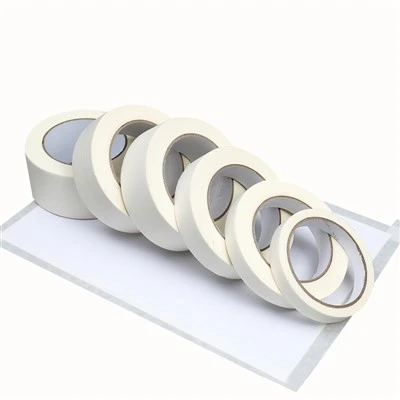
If you’re in the market for colored tape jumbo rolls—whether for shipping, branding, packaging, crafts, or industrial use—colorfastness should be a top consideration. Don’t just look for the cheapest option; ask about the ink type, UV protection, moisture resistance, and test ratings. A small investment in colorfast tape can save you money in the long run by reducing rework, improving brand perception, and ensuring your labels stay legible.
Tape Jumbo Roll If you’re ready to discuss your colored tape needs, or want to learn more about our colorfastness testing processes, please don’t hesitate to reach out. We’re here to help you find the right tape jumbo rolls for your specific applications.
References
- International Organization for Standardization. (2014). Textiles – Tests for colour fastness – Part B02: Colour fastness to artificial light: Xenon arc fading lamp test. ISO 105-B02:2014.
- Society of Packaging and Handling Engineers. (2020). Packaging Materials Colorfastness Standards for Shipping and Storage Applications. SPHE Technical Report 12-2020.
- Pressure-sensitive Tape Manufacturers Association. (2019). Guidelines for Color Performance in Pressure-sensitive Tapes. PSTA Bulletin 45.
- ASTM International. (2018). Standard Test Method for Water Resistance of Pressure-sensitive Tapes. ASTM D4729-18.
Yiwu Yubang Adhesive Products Co., Ltd.
As one of the most professional tape jumbo roll manufacturers and suppliers in China, we also support custom service. We warmly welcome you to wholesale high quality tape jumbo roll made in China here from our factory. If you have any enquiry about cooperation, please feel free to email us.
Address: 4th Floor, No. 17 Gantang West Road, Yiting Town, Yiwu City, Jinhua City
E-mail: salesmanager@yubangtape.com
WebSite: https://www.yubang-tape.com/
