Hey everyone, this is [your name], and I’m stoked to chat about a question I get literally every week as a plastic film supplier: “Can plastic film go in the microwave?” Let’s cut through the noise here because I’ve seen so much misinformation online — some people say every plastic film will melt, others swear they’ve zipped their leftovers in it for years with no issues. The truth isn’t black and white, and I want to break it down how we do it at the shop, no fancy jargon, just real stuff I’ve learned working with plastic films for 8 years. Plastic Film
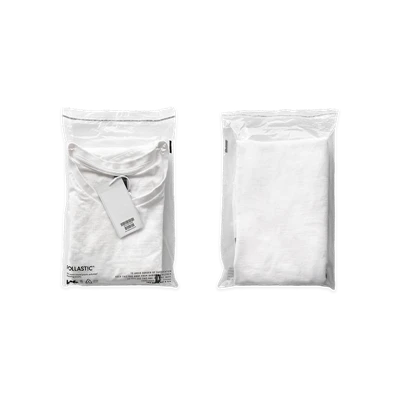
First, let’s start with why this question even matters. Microwaves work by zapping water molecules (and a few other things like fats and sugars) in your food, making ’em vibrate super fast, which creates heat. But they don’t heat plastic the same way — that’s a common myth. If a plastic film melts in the microwave, it’s not because the microwave “attacked” the plastic; it’s because the plastic itself absorbed too much of that microwave energy. That’s the key to remember: not all plastic films are the same, and that’s where the confusion hits.
Let’s talk about the types of plastic films we sell, ’cause that’s what I know inside and out. First up: polyethylene (PE) films. These are the thin, clear ones you use to wrap sandwiches, leftover veggies, or even bread. Most of the regular old grocery store cling wrap is low-density PE (LDPE), right? We make a lot of LDPE film for food packaging, and I’m gonna be real — this stuff isn’t microwave-safe for long periods. If you zap a sandwich with LDPE cling wrap for 2 minutes on high, it’ll get soft and maybe even stretch, but not melt. But leave it for 5+ minutes? You’ll get weird, sticky residue on your food, and that’s not something you wanna eat. Why? LDPE has a low melting point — around 230°F — and while most microwaves don’t get plastic that hot quickly, extended time or food with lots of fat (like cheese) can make the plastic heat up faster than you think. Fat conducts heat way better than water, so a cheeseburger wrapped in LDPE cling will make the wrap soften way faster than a plain veggie wrap.
Next, polypropylene (PP) films. This is the workhorse of microwave-safe plastic packaging, and we sell a ton of this. PP has a melting point around 320°F — way higher than LDPE — so it can handle the microwave’s heat without warping or melting. But wait, not all PP film is created equal! Some people buy cheap, low-grade PP film that’s supposed to be microwave-safe but skimps on additives, right? At our place, we test every roll of PP film before it leaves the warehouse — we pop it in a microwave for 3 minutes on high, no warping, no weird odors, no leaching. That’s the stuff you wanna look for: microwave-safe PP film, not just “PP” on the label. Another thing: some PP films are labeled “freezer-safe” too, which is fine, but freezer stuff doesn’t get hot, so that’s a different use case. The big difference is the heat resistance for microwaving.
Then there’s polyvinyl chloride (PVC) film. Oh, this one’s a tricky one. A lot of old grocery store meat wraps are PVC, and back in the day, people used to microwave ’em — but I’d never recommend that. PVC can release small amounts of chemicals when heated, especially if the food has a lot of fat. The FDA actually warned against microwaving PVC food packaging a few years back, so we don’t even carry PVC film for food use anymore. It’s mostly used for non-food stuff like shrink wrapping for palettes, but if you see PVC cling at the store, stay away from it for the microwave.
Wait, what about “microwave-safe” labels? That’s not just a marketing gimmick, right? Yeah, but you have to look closely. A lot of brands will slap “microwave-safe” on their packaging, but that only applies if the packaging is used as intended — which means not covering the entire food, leaving a small vent so steam can escape. Oh, right! That’s another mistake people make: they cover their whole burrito with plastic film, no vents, and the steam builds up, making the plastic heat way more than it should. Even microwave-safe PP film can act up if you seal it tight with no way for steam to get out. That’s why I always tell customers: if you use plastic film to cover food in the microwave, leave a little gap on the side for steam, or poke 2-3 small holes in it with a fork. That’s a simple trick that prevents 90% of the issues people have with melted plastic.
Now, let’s talk about leaching — that’s the big concern most people have. I get it, no one wants to eat plastic chemicals. The good news is, when plastic films are tested for microwave use, the major regulatory bodies (like the FDA in the US, EFSA in Europe) check for chemical leaching. Microwave-safe films are made to not leach harmful stuff when exposed to microwave heat, as long as you use them correctly. But here’s the catch: if you use a non-microwave-safe film, you’re at a higher risk. I’ve had a customer come in last year, saying she used cheap cling wrap (LDPE, not microwave-safe) to cover a bowl of soup and it melted a little, leaving a sticky film. She didn’t get sick, but she was right to be worried.
What about other types of plastic films? Like PET (polyethylene terephthalate) — that’s the stuff water bottles are made of, but we don’t use it for flexible films much. PET melts around 500°F, way too high for most microwaves, but it’s not flexible enough for wrapping food, so it’s not common in the food wrap space. Then there’s nylon film, which is used for sausages and some packaged snacks — that’s also not great for microwaves, it can get hard and stiff when heated, so we don’t sell that for microwave use either.
Now, let’s get into what we as a supplier do to make sure our customers don’t run into problems. We don’t just sell “plastic film” — we categorize every roll with clear labels: “microwave-safe PP film for food packaging”, “regular LDPE cling wrap for cold storage only”, “heavy-duty PP film for industrial use (not food)”. We also print little tips on the packaging: “leave a vent for microwaving”, “do not exceed 3 minutes of continuous microwave use”, “avoid contact with high-fat foods when microwaving”. A lot of suppliers skip that, but we know from experience that people mess up all the time, so little reminders go a long way.
I should also mention common mistakes people make: first, microwaving plastic film for way too long. Even microwave-safe PP film will start to get soft after 5 minutes on high, because the microwave isn’t perfect — some spots get hotter than others. Second, using plastic film to cover food that’s going to boil, like water for tea — the steam from boiling water is super hot, and if it’s trapped under the film, it can heat the film way past its melting point. Third, using old plastic film. If you’ve had a roll of cling wrap in your pantry for 5 years, it might have degraded a little, which changes its heat resistance. Always use fresh film for microwaving.
Wait, let’s address a question I’ve been getting a lot lately: “Can I use plastic film in the microwave if it’s labeled ‘heat-resistant’?” Yeah, but “heat-resistant” is a vague term. A lot of office supplies, like plastic folders, are heat-resistant, but they’re not food-safe, and they might leach chemicals when heated. So always look for “microwave-safe” AND “food-grade” on the label. That’s non-negotiable. At our shop, all the plastic films we sell for food use are both food-grade and microwave-safe (the PP ones) or clearly labeled for cold use (the LDPE ones). We don’t sell anything that’s unlabeled for microwave use for food.
Another thing: what about those microwavable meal kits that come with plastic film? 9 times out of 10, that’s microwave-safe PP film, and that’s tested specifically for that use. Those meals aren’t lying when they say “microwave-ready” — the film is made to handle those exact heat times. But if you take that film and use it to cover your homemade leftovers for 5 minutes, that’s the same product, so it should work, as long as you leave a vent.
I’ve seen a lot of forum debates where people say “microwaving plastic film gives you cancer” — that’s a myth, right? Let’s fact-check that. The studies that talk about plastic leaching chemicals like BPA or phthalates are mostly about long-term exposure, not short-term microwave use of food-grade, microwave-safe plastic. The FDA says that when used correctly, microwave-safe plastic packaging doesn’t pose a health risk. But again, that’s only if it’s the right type of plastic, used the right way. So if you use a non-safety-tested plastic, that’s where the risk comes in, not because plastic film is inherently bad in the microwave.
Now, as a supplier, what do I recommend to our customers? If you’re wrapping food to microwave, go with our microwave-safe PP film. It’s thin enough to let steam escape a little, so it doesn’t build up pressure, it doesn’t melt if you use it for 2-3 minutes, and it’s food-grade, so no weird leaching. If you need to wrap cold food, like sandwiches for lunch, our LDPE cling wrap is perfect — it’s cheap, flexible, sticks well, and doesn’t need to handle heat. And if you’re not sure, just hit us up. We don’t pressure anyone to buy a more expensive product — we tell them exactly what works for their use case.
I also wanna mention that a lot of people confuse plastic film with rigid plastic containers, like Tupperware. The rules are mostly the same: rigid PP containers are microwave-safe, but LDPE or PVC ones aren’t. But plastic film is thinner, so it heats up faster, which is why the time limits are more strict. A Tupperware container can go 5 minutes, but a plastic film cover should only go 2-3 minutes. That’s a key difference I see people missing all the time.
Wait, let’s talk about when plastic film can actually be a good thing in the microwave. If you’re heating something like a slice of pizza, and you wanna keep it from getting soggy or splattering all over the microwave, a thin layer of microwave-safe PP film works way better than a paper towel, right? Just leave a small vent, and it keeps the heat in without making a mess. We’ve had a lot of customers tell us they use our PP film for that exact reason, and it works great.
Now, the big no-nos: never use PVC film, never use unlabeled plastic film, never seal the film completely (no vents), never use old, degraded film, and never microwave food with high fat content in non-microwave-safe film. If you avoid those, you won’t have any issues.
I’ve been in this business long enough to see a lot of folks make these mistakes. Last month, a regular customer came in all flustered because her cling wrap melted on her mac and cheese — it turned out she used a 7-year-old roll of LDPE cling, left it sealed tight, and zapped it for 6 minutes. She swapped it for our microwave-safe PP film, and now she uses it for all her quick meals. That’s the kind of thing we’re here for — not just selling film, but helping people use it right.
So to wrap this up (pun very intended): yes, plastic film can be used in the microwave — but only if it’s the right kind. Microwave-safe polypropylene film is your go-to for heating food in the microwave. LDPE cling wrap is for cold stuff, PVC is off the table entirely. Always leave a vent, don’t overdo the time, and use fresh, food-grade product.

If you’re looking for reliable plastic film, whether it’s for food packaging, wrapping leftovers, or anything else, don’t hesitate to reach out to our team to talk through what works for your needs. We’re always here to answer questions, no sales pressure, just straight-up advice from people who’ve been working with plastic film for years.
Paper Bags References
- U.S. Food and Drug Administration. (2023). Food Contact Materials: Plastics.
- European Food Safety Authority. (2022). Safety Assessment of Polypropylene for Food Packaging Applications.
- Journal of Food Protection. (2021). Microwave Heating of Food Packaging Films: Heat Transfer and Migration Risks.
- National Cancer Institute. (2020). Chemical Exposure from Food Packaging Materials.
Junteng Packaging Co., Ltd.
As one of the most professional plastic film manufacturers and suppliers in China, we’re featured by quality products and good service. Please rest assured to wholesale bulk premium plastic film made in China here from our factory. We also accept customized orders.
Address: No.1 Huamao Road, Shuanggang Town, Tongcheng City, Anqing City, Anhui Province
E-mail: juntengpack2020@outlook.com
WebSite: https://www.juntengpackage.com/
