Can I print my own design on Custom PVC Film Rolls? As a supplier of custom PVC film rolls, this is one of the most common questions I get from new clients—small business owners, startup product teams, and even experienced print shops looking to expand their offerings. I get it: customizing your product’s packaging, signage, or protective layer with your own design makes your brand stand out. But before you jump into sourcing PVC film and sending it to a printer, there are a few things you need to know that go far beyond a simple "yes" or "no." Custom PVC Film Rolls
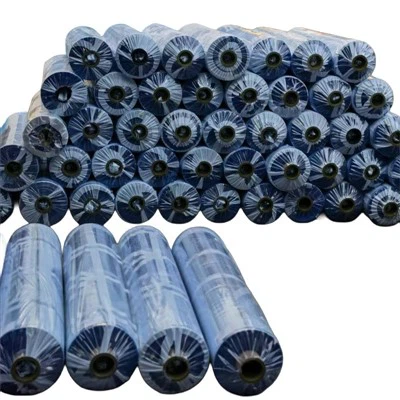
First, let’s talk about what custom PVC film is, and why printing on it isn’t the same as printing on paper or fabric. PVC, or polyvinyl chloride, is a flexible, durable thermoplastic that’s widely used for everything from food packaging and inflatable toys to automotive parts and retail signage. Its key properties—resistance to moisture, chemicals, and UV light—are what make it so popular, but they also present unique challenges when it comes to printing. Unlike paper, which absorbs ink easily, PVC is non-porous, so ink sits on the surface unless properly formulated and applied. That’s why not all printing methods work for custom PVC film rolls.
Let’s break down the valid methods for printing your own design, and which ones work best for different needs. If you’re a small business printing a small batch (think a few hundred feet of film) and you have access to a digital printer, direct-to-film (DTF) printing is a great option. DTF uses special inks designed to bond with plastic surfaces, and it works well on flexible PVC because the film’s stretch doesn’t cause the ink to crack. But here’s the catch: home or small-office DTF printers are usually for small sheets, not long rolls. Trying to print on a roll of PVC film in a desktop printer will almost always lead to misalignment, smudging, or damage to the film’s surface. Most of the time, small businesses end up wasting expensive PVC rolls this way, which is why many turn to suppliers like me to handle the printing.
For larger batches or higher-quality prints, flexographic printing (flexo) is the industry standard for custom PVC film rolls. Flexo uses flexible rubber plates to transfer ink onto the film, and it’s designed for roll-to-roll processing—perfect for long lengths of PVC. The process works by first preparing your design in vector format (no pixels, which is key for sharp, scalable prints), then making the rubber plates, and finally running the PVC film through the press, which coats it with the custom inks and dries them quickly to prevent smudging. This method is durable, cost-effective for bulk orders, and works with the UV-resistant or food-grade PVC many clients need.
Another option is gravure printing, which is similar to flexo but uses engraved metal cylinders instead of rubber plates. Gravure produces extremely high-quality, detailed prints with consistent color, making it ideal for complex designs with lots of gradients. It’s less common for small to medium batches, though, because the setup cost for the cylinders is higher. That’s usually only worth it for clients needing thousands of feet of custom PVC film.
Now, the big question: can you really print your own design without help? Technically, yes—if you have the right equipment. But for most people, that means investing in a roll-to-roll printing press, specialized PVC inks, and proper drying and curing equipment. A basic roll-to-roll flexo press for PVC can cost upwards of $50,000, and that’s not including the training to operate it or the cost of test runs. For a small business just starting out, that’s a huge investment that might not make sense. Even if you can afford the equipment, you have to consider quality: small-scale home or shop printing can have inconsistent color, misaligned designs, or poor ink adhesion, which can make your final product look unprofessional.
I’ve seen this happen too many times. A client came to me last year who had tried printing his own custom PVC film for product packaging. He bought a desktop roll printer, used generic ink, and within a week, the designs on his film started fading when exposed to sunlight. Turns out, he used inks meant for paper, not UV-stabilized inks designed for PVC. He ended up wasting two full rolls of film and having to reprint everything with my team, which cost him more in the long run than if he’d just come to me in the first place.
That’s not to say you should never consider printing in-house. If you’re a print shop looking to offer custom PVC film rolls to your clients, or a large manufacturer with consistent high-volume needs, in-house printing can make sense. But for most small to mid-sized businesses, working with a supplier who specializes in custom PVC film and printing is the better move.
Let’s talk about what a supplier can offer that you can’t easily do on your own. First, we have the expertise: we know which PVC film grades work best for printing. Not all PVC is the same—some are glossy, some are matte, some are food-safe, some are UV-resistant. Choosing the wrong grade can lead to ink not adhering, designs fading, or even health issues if the film is for food packaging. We also have access to the right inks: water-based, solvent-based, or UV-cured, each suited to different applications. UV-cured inks, for example, dry instantly under UV light, which is perfect for fast production and outdoor uses.
Another benefit is quality control. When you order custom PVC film rolls from a supplier, we run test prints to make sure your design is aligned, the color matches exactly, and the ink is durable before we ship. We also handle any regulatory requirements, like ensuring food-grade PVC meets FDA standards or that the prints are compliant with safety regulations for toys or medical products. That’s a huge weight off your shoulders—no need to research complex industry standards on your own.
Cost is another factor. For small batches, the per-foot cost of printing custom PVC film with a supplier is often lower than buying your own equipment and materials. Let’s do a quick math: if you need 1,000 feet of custom film, buying a roll of PVC might cost $0.50 per foot, and ink and supplies another $0.20 per foot. But if you add the depreciation on a press, maintenance, and wasted test runs, the total per-foot cost can easily go up to $1.00 or more. A supplier who specializes in this can offer bulk rates that are lower than what you’d pay to print in-house.
Wait, but what if you have a super simple design, or a very small quantity? Like, a few hundred feet of film for a one-time project. Is printing that yourself worth it then? Even then, I’d still caution you. Let’s say you buy a small roll of PVC and a portable roll-to-roll printer—you’re looking at at least $2,000 for entry-level equipment, plus the cost of specialized inks. For a small project, that’s a big upfront cost that you might not recoup. Working with a supplier usually means no minimums (or low minimums, like 500 feet) and you only pay for what you need.
Of course, there are edge cases where in-house printing makes sense. A few months ago, a client who runs a large promotional event came to us with a rush order. He needed 100 feet of custom PVC film for banners, and he had his own small desktop roll printer. He’d done his research, bought the right UV ink for PVC, and had experience operating the printer. He saved time and money by doing it himself. But that’s an exception—he had the equipment, the expertise, and the right project size.
So, to answer the original question: Yes, you can print your own design on custom PVC film rolls, but it depends on your equipment, expertise, and project needs. For most people, especially small businesses, startups, and one-time projects, working with a custom PVC film supplier that offers printing services is the smarter, more cost-effective, and less stressful choice.
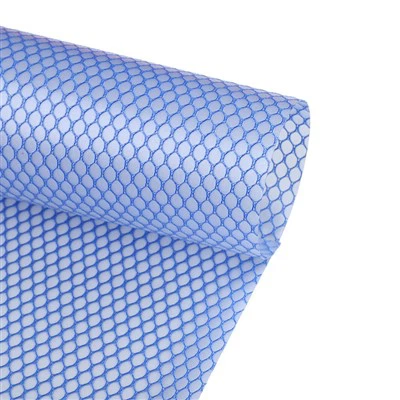
If you’re ready to take the next step—whether you’re not sure which PVC grade is right for your design, need help preparing your art files, or want to get a quote for your custom printed PVC film rolls—we’re here to help. Don’t waste time and money on trial and error with in-house printing. Reach out to our team to discuss your project, and we’ll guide you every step of the way, from design preparation to shipping your finished rolls.
Antistatic PVC References
- "PVC Printing Methods and Best Practices," Plastics Technology, 2022.
- "Flexographic Printing for Flexible Packaging," National Association of Printing Ink Manufacturers, 2021.
- "Regulatory Considerations for Printing on Food-Grade PVC," FDA Food Packaging Guidelines, 2023.
- "Gravure Printing vs. Flexography: Choosing the Right Method for Your Roll Goods," Packaging World, 2022.
Nantong Dahe Composite New Material Technology Co., Ltd.
Address: South Side of Pinghai Highway, Pinghe Village, Dongshe Town, Tongzhou District, Nantong City, Jiangsu Province, China
E-mail: nantongdahe@outlook.com
WebSite: https://www.cndahetech.com/
