Hey there! I’m a supplier for gas plants, and one question that comes up a lot is, "How much energy does a gas plant produce?" Well, let me break it down for you. Gas Plant
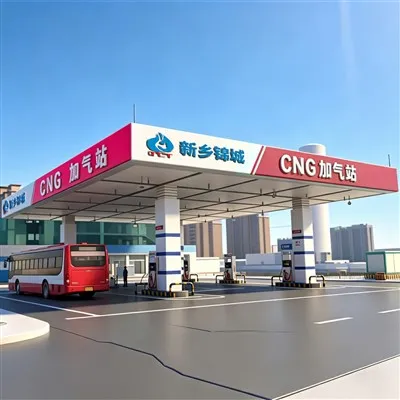
First off, it ain’t a one – size – fits – all answer. There are a bunch of factors that go into determining how much energy a gas plant can crank out. Let’s start with the type of gas plant we’re talking about. There are mainly two types: combined – cycle gas plants and simple – cycle gas plants.
Simple – cycle gas plants are kind of like the sprinters in the energy world. They’re quick to start up and can get the power flowing in no time. These plants work by burning natural gas in a combustion turbine. The hot gases from the combustion spin the turbine, which is connected to a generator, and boom, you’ve got electricity. But here’s the deal: they’re not the most efficient. A typical simple – cycle gas plant can produce anywhere from 100 to 500 megawatts (MW) of electricity. That might sound like a lot, and it is! One megawatt can power about 800 average homes. So, a 100 MW simple – cycle plant could supply power to around 80,000 homes, and a 500 MW one could handle about 400,000 homes.
On the other hand, combined – cycle gas plants are the long – distance runners. They’re more complex but way more efficient. These plants use the waste heat from the combustion turbine to generate additional electricity through a steam turbine. It’s like getting extra mileage out of the same gallon of gas. Combined – cycle gas plants can produce a whole lot more energy than simple – cycle ones. They typically range from 500 MW to over 2,000 MW. A large combined – cycle gas plant producing 2,000 MW can power more than 1.6 million homes! That’s like powering a small city.
Now, the size of the gas turbine also plays a huge role. Bigger turbines can produce more energy, but they also cost more to build and maintain. Gas turbines come in different sizes, and the power output can vary based on their capacity. For example, some of the smaller industrial gas turbines might only produce a few megawatts, which are great for smaller power needs like a factory or a small community. But the massive utility – scale gas turbines, those are the ones that can push out hundreds or even thousands of megawatts.
The quality of the natural gas used is another factor. Natural gas isn’t all the same. It can have different compositions, and some types of natural gas have a higher energy content than others. If the gas has a higher energy density, the plant can produce more electricity from the same amount of fuel. So, when we’re setting up a gas plant, we’ve got to make sure we’re getting the right kind of gas for the job.
The operating conditions also matter. Gas plants work best under certain temperature, pressure, and humidity levels. If it’s really hot outside, the air is less dense, and that can reduce the efficiency of the gas turbine. Similarly, high humidity can also have an impact on performance. We’ve got to take all these things into account when estimating how much energy a gas plant will produce.
Let me give you an example of how these factors can interact. Say we’ve got a combined – cycle gas plant that’s designed to produce 1,000 MW under ideal conditions. But if it’s a really hot summer day, and the air density drops, the combustion turbine might not work as efficiently. Maybe it only produces 900 MW. And if the natural gas we’re using has a slightly lower energy content than expected, that could knock off another 50 MW. So, instead of the full 1,000 MW, we’re down to 850 MW.
Another thing to consider is the load factor. Gas plants don’t always run at full capacity. The load factor is the ratio of the actual energy produced over a period of time to the maximum energy the plant could produce if it ran at full capacity all the time. For example, if a gas plant has a load factor of 80%, it means it’s producing 80% of its maximum possible energy output on average. Load factors can vary depending on things like the demand for electricity in the area. If there’s low demand, the plant might run at a lower capacity to save on fuel costs.
So, as you can see, figuring out how much energy a gas plant produces is a bit of a puzzle. But that’s where we come in. As a gas plant supplier, we’ve got the expertise to help you design a gas plant that meets your specific energy needs. Whether you’re looking to power a small neighborhood or a large industrial complex, we can work with you to determine the right type of gas plant, the appropriate turbine size, and the best operating conditions to maximize energy production.
If you’re in the market for a gas plant, it’s important to choose a supplier who knows what they’re doing. We’ve been in the business for years, and we’ve seen it all. We’ll take the time to understand your situation, assess your energy requirements, and come up with a customized solution that’s reliable and cost – effective.
Whether you’re a utility company looking to expand your power generation capacity or an industrial business looking for a more efficient way to meet your energy needs, we can help. Our team of experts will be with you every step of the way, from the initial planning and design to the installation and ongoing maintenance of your gas plant.

If you’re interested in learning more about how much energy a gas plant can produce for your specific use case or if you want to start the process of purchasing a gas plant, don’t hesitate to reach out. We’re here to answer your questions and get the ball rolling on finding the perfect gas plant solution for you. Let’s work together to get you the energy you need, efficiently and effectively.
Specialty Gases References:
- Power Plant Engineering textbooks
- Industry reports on gas – fired power generation
- Technical papers from power engineering conferences
Xinxiang Jincheng Technology Co., Ltd.
As one of the most professional gas plant manufacturers in China, we’re featured by quality products and good service. Please rest assured to buy customized gas plant made in China here from our factory. For pricelist, contact us now.
Address: Industrial Park, Fengquan District, Xinxiang City, Henan Province, China
E-mail: cncd05@cryocontainer.com
WebSite: https://www.jinchengspecialgas.com/
