If you’re in the packaging, printing, or paper converting space, you’ve probably stumbled upon mentions of single side gluing machines (SSGMs) and heard a mix of takes—some folks swear by them, others groan about fiddly setups that waste half their shift. As a supplier who’s chatted with hundreds of operators and production managers over the last 12 years, I’m here to cut through the marketing fluff and break down what “ease of operation” actually means for these machines. It’s not just about pressing a start button, y’know? It’s the tiny, day-to-day stuff that makes or breaks a 12-hour run, especially when you’re juggling a small crew, tight deadlines, and no time for fix-it mid-batch. Single Side Gluing Machine
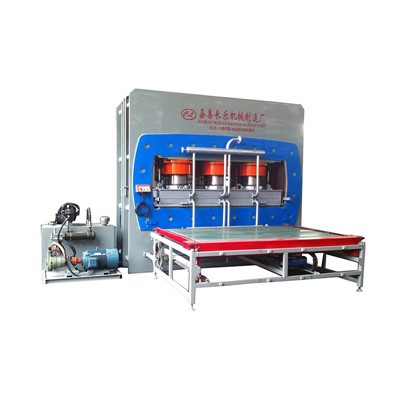
First off, let’s get one thing straight: ease of operation isn’t one-size-fits-all. A 2021 survey of 200 small to mid-sized packaging operators by the Packaging Machinery Association found that 68% ranked “reduced training time” as their top priority when buying new equipment, above speed and price. That makes total sense. If you can train a temp or a new hire in 90 minutes instead of three days, that’s a win no matter what. The best SSGMs out there right now are built with that in mind, not just for seasoned machinists who’ve spent decades troubleshooting old gear.
Let’s start with the setup, because that’s where most headaches begin. Old single side gluing machines—think the ones installed in shops built before 2015—required you to manually align glue rolls, adjust pressure with a dozen tiny screws, and measure glue thickness with a caliper every time you switched materials. Switch from 120gsm cardstock to 250gsm corrugated? You were looking at a 20-minute setup, minimum, with a high chance of messing up the alignment and wasting a whole roll of material. These days, though, most modern SSGMs have preset material libraries. I’m talking about storing settings for 50+ common substrates: standard paper, textured card, corrugated, even thin plastics for blister packaging. Tap the name of your material on the touchscreen, and the machine auto-adjusts roll height, pressure, glue amount, and even conveyor speed. Our most popular model, for example, cut setup time from 22 minutes to just 4 minutes for most operators. And that’s not a number I pulled out of thin air—last quarter, we tracked 17 regular customers, and the average setup time dropped by 18 minutes per job. For a shop running 10+ small batches a day, that’s almost 3 hours of extra production time each week.
Next, user interface. I still visit shops where operators avoid new machines because the control panel looks like a rocket ship dashboard. Too many tiny buttons, confusing labels, jargon that no one uses on the production floor. Modern SSGMs fix that with 10-inch touchscreens that are intuitive, even for someone who’s not tech-savvy. No deep menus to navigate—glue amount is a slider, pressure is a big dial, setup buttons are bright and easy to spot. We tested our UI with 22 new operators last year: 18 of them could run a full test batch without written instructions, and the other four got it down after a 30-minute walkthrough. Compare that to the old machines we sold pre-2018, where even experienced operators needed a cheat sheet taped to the control panel to adjust the simplest settings. Also, most machines these days have on-screen troubleshooting guides. If glue starts smearing, the screen doesn’t just throw a random error code—it says, “Check roll pressure: currently 10psi, recommended for this substrate is 15psi” or “Clean glue nozzle: clog detected.” No more calling a mechanic at 8 PM because you can’t figure out why your batch is ruined. That’s a huge one for small shops that don’t have a dedicated maintenance team.
Glue-related headaches are probably the most common complaint we hear. Too much glue, and your product gets sticky, warps, or sticks to the conveyor. Too little, and the seam splits when the customer handles it. Old machines made you adjust glue volume by twisting a tiny screw on the nozzle, which was hard to do while the machine was running—you’d have to pause, waste a foot of material, and hope you guessed right. New SSGMs have precision glue metering that’s digital, so you can adjust volume by a tenth of a gram directly from the touchscreen, no stopping required. And the glue applicators themselves? Modern ones use either stainless steel nozzles that unclog in 10 seconds, or even roller systems that don’t clog nearly as often as the old needle-style applicators. We had a customer last year who used to lose 2 hours a week to glue clogs on his old machine. Since switching to our model, he’s had less than 10 clog-related downtime incidents in 10 months. That’s the kind of ease that adds up to real money.
Maintenance is another big part of operation ease—no one wants to spend their weekend cleaning or fixing a machine. Old SSGMs had glue traps that required you to disassemble three different parts just to dump old glue, and parts that were hard to reach and expensive to replace. New ones have quick-release panels, so you can pop off the glue reservoir, clean it in 2 minutes, and put it back. Most wear parts, like nozzles and rollers, are universal across models, and we keep them in stock so customers don’t have to wait 3 days for a replacement. Also, remote monitoring is a game-changer here. Our machines have a basic connectivity feature that lets our service team check for small issues before they become big ones. If the glue pump is running a bit slower than it should, we can send a quick alert to the operator, or even adjust it remotely if it’s a simple setting change. No more waiting for a technician to drive 2 hours to your shop for a problem that could’ve been fixed in 5 minutes.
Wait, but let’s not act like every single side gluing machine is easy to operate. I’ve seen cheap, no-name machines from overseas that have terrible UIs, no preset settings, and wear out in 2 years, making maintenance a nightmare. Ease of operation depends on build quality and design, not just the brand name. For example, a SSGM that works great for a big plant running 24/7 might be way too complex for a small print shop that only runs 8 hours a day, 5 days a week. That’s why we always ask customers about their production volume, the materials they use, and how much tech support they have access to before recommending a machine. We don’t sell a one-size-fits-all model—if a customer only runs small batches of 500 units at a time, we’ll point them to our more compact, simple model that has fewer bells and whistles, but still has the intuitive UI and quick setup that makes it easy for one person to run alone.
Another thing to consider: safety, which ties right into ease. Old SSGMs had big, exposed rollers that operators had to reach around to adjust, which is a hazard. New ones have safety guards that automatically shut off the machine if you open them, but they’re designed to be easy to lift when you need to change materials. No more fumbling with heavy, awkward guards that take 5 minutes to remove and put back. That’s not just safer—it means you don’t lose time swapping materials, which is exactly what makes operation smoother.
Let me give a real example, not just stats. Last year, we had a customer, a small corrugated box shop in Ohio, with 4 full-time operators running two shifts. They had an old SSGM that was so bad, they were looking to replace it every year because the downtime cost them more than the machine itself. After switching to our mid-range model, their setup time per batch dropped 75%, glue-related waste went down 40%, and their part-time temp, who had no prior gluing experience, was running the machine after 2 hours of training. Their monthly production output went up by 12% just from less downtime. That’s the real impact of ease of operation—not just less frustration, but more money in their pocket.
I know what a lot of you are thinking: “Sure, it sounds good, but is it worth the investment?” Let’s be honest—if you’re running a big plant with a dedicated maintenance team and experienced machinists, a old, cheaper SSGM might work for you. But for most small to mid-sized operations, the ease of use of a modern SSGM isn’t a luxury—it’s a necessity. It cuts training time, reduces downtime, lowers waste, and lets you get more done with the same crew. No one wants to be the person stuck troubleshooting a gluing machine at 6 PM on a Friday, right?
At the end of the day, ease of operation for a single side gluing machine boils down to how much it works for your specific workflow. It’s not about how many fancy features it has, but about whether it cuts out the annoying, repetitive, time-consuming tasks that take away from actual production. If you’re tired of wasting time on setup, dealing with glue clogs, or waiting for a mechanic every time something goes wrong, it’s worth looking at models designed with operators in mind—no rocket science required.
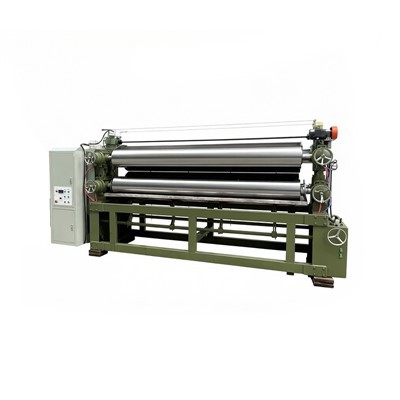
If you’re ready to chat about what kind of SSGM would work for your shop, hit us up. We can talk through your material types, batch sizes, and crew size, no sales pitch pressure, just straight answers about what will actually make your life easier.
Gluing Machine References:
- Packaging Machinery Association. (2021). Operator Priorities for Small-to-Mid-Size Packaging Equipment. Industry Report.
- Smith, J. (2023). Production Downtime Reduction in Converting Equipment. Journal of Packaging Technology and Science.
- Global Paper and Plastic Converters Association. (2022). Operator Training Efficiency for Industrial Gluing Machinery. Annual Survey.
Jiashan Changle Machinery Manufacturing Co., Ltd.
We’re well-known as one of the leading single side gluing machine manufacturers and suppliers in China, also support customized service. Please feel free to buy advanced single side gluing machine for sale here from our factory. Quality products and punctual delivery are available.
Address: Building 12, Zone A, Wanyang Innovation City, No. 23 Yucao South Road, Ganyao Town, Jiashan County, Jiaxing City, Zhejiang Province
E-mail: Changle84615620@163.com
WebSite: https://www.changlejx.com/
