Hey there, if you’ve ever walked past a coating production line, you might’ve noticed all the talk about glossy finishes, perfect part adhesion, and keeping things running smooth. But let’s be real—coating lines generate a lot of mess too. From leftover paint slurries and solvent fumes to used cleaning chemicals and even the odd rejected coated part, waste here is non-negotiable. And as someone who’s spent 10+ years building, upgrading, and troubleshooting coating production lines (I’m the guy who’s been called at 2 a.m. to fix a waste backup at a car parts plant, trust me), I’ve seen firsthand that good waste treatment isn’t just a box to tick—it’s make-or-break for compliance, costs, and even how well your line performs long-term. Coating Production Line
First off, let’s break down the two big waste categories you’ll deal with in a standard coating line: liquid waste and air (gas) waste. Solid waste comes up too, but that’s usually the smaller side gig compared to the other two. Now, I’m not here to throw jargon at you—let’s keep this real, no stuffy industry terms that make you reach for your phone to Google. Let’s jump into the methods we actually use on our lines, why they work, and where you have to watch out for pitfalls.
Starting with liquid waste because that’s the one that causes the most headaches if you mess it up. A ton of coating lines use water-based paints these days (way better than the old solvent-based stuff for air quality), but even those generate runoff from spray booths, parts cleaning stations, and paint booth filters. The first go-to method here for most lines is primary sedimentation. Here’s how it works: when the used liquid waste comes out of the booth, it flows into a big, shallow tank called a clarifier. The heavy paint solids just sink to the bottom like coffee grounds in a old mug—simple, right? The clear water that floats on top can be sent back to the line to rinse parts or even reuse in the spray booth, cutting down on fresh water costs and waste volume. The gunk at the bottom? That’s called sludge, and you have to haul that away to a licensed hazardous waste handler, depending on your area’s rules.
Wait, but sedimentation only catches the big chunks. What about the tiny paint particles that stay suspended in the water? That’s where chemical treatment comes in. We add things like coagulants and flocculants—think of them as tiny magnets that stick to those tiny paint specks and clump them together into big, heavy blobs that sink easily. For example, polyaluminum chloride is a workhorse here; it’s cheap, works on almost all paint types, and doesn’t mess with the water we reuse. Some lines also add pH adjusters, because too acidic or too basic water will throw off how well the coagulants work. I’ve seen lines skip this step and end up with clogged pipes months later—total nightmare, that’s an extra $10k in repairs no one budgets for.
Then there’s membrane filtration, which is more common for lines that need super clean water to reuse—like electronics coating, where even a tiny speck of leftover paint will ruin a part. Membranes are like super fine sieves; they let clean water pass through but block every last tiny particle, chemical, or even bacteria. The downside? They clog fast, so you have to clean them regularly with mild chemicals, and replacing them every few years isn’t cheap. But for lines that reuse 80%+ of their water, it’s worth it. I once worked with a medical device coating plant that switched to membrane filtration and cut their water bill by $20k a year—game changer.
Now moving on to air waste, because that’s the one that makes the sky smell like paint thinner if you don’t treat it right. The fumes from spray booths—volatile organic compounds (VOCs), solvents, even tiny paint droplets—aren’t just stinky; they’re bad for the environment and your team’s lungs. The first line of defense here is a spray booth’s water wash system, right? But only if it’s set up right. The water wash uses a curtain of water to knock the big paint droplets out of the air before they escape, but it doesn’t catch the VOCs. That’s where the next step comes in.
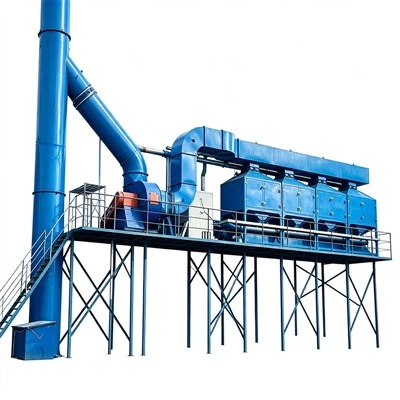
Activated carbon adsorption is the go-to for catching VOCs. Activated carbon is this super porous material—like a sponge but for chemicals. When the fumes pass through a bed of carbon, the VOCs stick to the tiny holes in the carbon, and clean air flows out. It’s simple, works great, and low-cost compared to other methods. The catch? The carbon gets full after a few months, and you have to replace it. Some lines try to skip this and just rely on the water wash, but then you’re sending unfiltered fumes out—most places will fine you $10k+ a day if you get caught. I learned that the hard way during a regulatory audit a few years back; never again.
For lines that run high volumes, like automotive OEM coating lines, thermal oxidation is the way to go. That’s basically burning the VOCs at super high temperatures (like 800°C or more) so they break down into harmless CO2 and water vapor. It’s super effective—catches 99% of VOCs, way better than carbon—but it uses a lot of energy. That’s why we design our oxidation systems to recover some of the heat from the exhaust to warm up incoming air or water for the line, cutting energy costs by 30-40%. Trust me, no one wants a utility bill that’s bigger than their payroll.
Solid waste, while smaller, still matters. The big solid waste from coating lines is rejected coated parts, used filters, and that sludge I mentioned earlier. The best method here is waste reduction first—sorting rejects to see if they can be reworked instead of thrown away. A lot of our lines have reject sorting stations where workers pull slightly flawed parts to be stripped and recoated, instead of sending them to the landfill. For used filters, we partner with recycling companies that take paint-soaked filters and extract the remaining paint or recycle the filter material if possible. Sludge? As I said earlier, it’s hazardous waste, so you have to haul it to a facility that can treat it properly—never dump it in regular trash, that’s a quick way to get a permanent ban on operating.
Now, here’s the thing that most people don’t talk about: waste treatment isn’t a one-size-fits-all solution. A small custom coating line for furniture has way different needs than a high-volume automotive line. That’s why when we build or upgrade a coating line, we don’t just throw a standard waste system at it. We do a site assessment first: look at what paint they use (water-based vs solvent-based), how much waste they generate, their local compliance rules, and even their budget. For example, a small shop with 500 parts a day doesn’t need a $500k thermal oxidation system—activated carbon + a basic clarifier works perfectly. A big auto plant? They need a combo of sedimentation, chemical treatment, membrane filtration, thermal oxidation, and solid waste sorting stations.
I also have to mention common mistakes I see all the time. First, cutting corners on maintenance. A clarifier that’s not cleaned monthly will get clogged, and all that sludge will overflow into your regular wastewater, leading to fines. A carbon bed that’s not changed when it’s full will start letting VOCs escape, same problem. Second, not planning for future growth. If you’re a small shop now but plan to double production in 2 years, building a waste system that’s too small is a recipe for scrambling later. We design all our lines with scalability in mind—you can add membrane filtration or a larger oxidation unit down the line without tearing out the whole booth. Third, ignoring employee training. Your system works great if it’s operated right, but if the new hire on the night shift is dumping cleaning chemicals in the regular trash, you’re sunk. We include hands-on training for every client’s team, no extra charge, because we know it’s the only way to make sure the system lasts.
Wait, and let’s talk about costs, because no one likes talking about that. A lot of people think waste treatment is super expensive, but the opposite is true—it saves you money long-term. Reusing water cuts your fresh water bill, recycling filters and reworking rejects cuts material costs, and avoiding fines (which can be tens of thousands of dollars a day) pays for the system many times over. I had a client a few years back who skipped upgrading their waste treatment and got a $25k fine in their first audit—they called us the next day to design a custom system. By month 6, they’d already saved more in reduced water and waste hauling costs than the system cost.
So, if you’re running a coating line, or planning to build one, don’t treat waste treatment as an afterthought. It’s not just compliance—it’s good business. At the end of the day, a line that runs smooth, avoids fines, and cuts costs is a line that makes money. We’ve been helping clients get this right for years, from small custom shops to big automotive and electronics plants. If you’re looking to upgrade your waste treatment, build a new line, or just troubleshoot a mess you’re dealing with, hit us up to chat. No sales pitch, just real advice from someone who’s been in the trenches with this stuff for way too long.
Grinding Table References:
- U.S. Environmental Protection Agency. (2021). Coating Operations Waste Management Guide. EPA 456/R-21/003.
- International Organization for Standardization. (2019). ISO 14001: Environmental Management Systems for Coating Processes.
- Society of Manufacturing Engineers. (2022). Waste Treatment for Metal Finishing and Coating Lines. SME Press.
Ningbo Jialong Energy-saving and Environmental Protection Technology Co., Ltd.
As one of the most professional coating production line manufacturers and suppliers in China, we also support customized service. We warmly welcome to buy advanced coating production line in stock here from our factory. If you have any enquiry about quotation, please feel free to email us.
Address: Dong Village, Dongwu Town, Yinzhou District, Ningbo City, Zhejiang Province (No.63 Zhennan Road, Dongwu Town)
E-mail: Lin.cx@nb-jalo.com
WebSite: https://www.cnjialong.com/
