Hey everyone, I know a lot of you have been asking this lately—especially since storage unit costs have been sky-high and folks are looking for cheaper, more flexible ways to keep their gear safe. As a Polytarp supplier, I get it: not everyone wants to drop hundreds on a custom storage unit, or even a metal shed, just for seasonal stuff, old furniture, tools, or that weirdly shaped thing you can’t fit in your garage. Today, let’s talk straight: can polytarp actually cover a storage unit, or is that just a bad idea waiting to happen? Polytarp
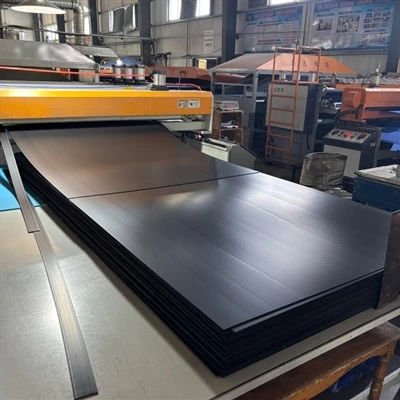
First off, let’s clear up what we’re actually talking about here. When you say “storage unit,” I don’t just mean a tiny 5×5 closet rental—most of the folks hitting me up are either homeowners using a tarp over an open shed frame, a pallet of stuff sitting in their driveway, a boat or RV that’s been taking up yard space, or even a temporary storage space they threw together for a construction project. That’s different from a public, lock-up storage unit, right? So we’re not talking about replacing a secure, temperature-controlled unit we’ve all seen at those big chain places; we’re talking about using polytarp as a cover for an open, semi-permanent storage setup. That’s a key distinction most people miss when they ask this question.
Now, here’s the honest truth: yes, polytarp can be used to cover a storage unit—but only if you pick the right one, install it properly, and know its limits. I see so many people grab the cheapest thin plastic tarp from the local gas station, and then they’re complaining a month later that it’s torn, their stuff got moldy, or wind ripped it clean off. That’s not polytarp’s fault—that’s them not doing their homework. Let’s break this down like I’m talking to a buddy who’s got a trailer full of camping gear they need to store for the winter.
First, why polytarp works for this in the first place. For one thing, it’s way cheaper than almost any other cover. A 10×12 heavy-duty polytarp from us is like $30-$40, compared to a custom-sized boat cover that could be $200+. It’s lightweight, easy to haul around, and if you need to move your stored stuff (like if you’re redoing your yard), you don’t have to disassemble a whole shed or yank a heavy canvas cover. The main job of a storage cover is to keep out rain, snow, dust, and UV rays, and a good polytarp does that—when it’s used right.
But let’s get real about where it falls short, too, because I’m not here to sell you something that’ll let your lawnmower rust or your kid’s bike get stolen. Polytarp isn’t airtight, and it’s not secure. If you’re using it over an open, unenclosed space (say, a stack of patio furniture on your back patio), it’ll keep most moisture out, but if it rains really hard, there might be a little condensation trapped under there, especially if you don’t have good airflow. Also, critters—squirrels, raccoons, even mice—can chew through thin polytarp like it’s paper, so if you’re storing anything that’s even slightly chewable (grain, fabric, wood), you’ll need a sturdier option. And obviously, you can’t lock a polytarp, so it’s not going to keep out people who want to rummage through your stuff. That’s a big one for people storing high-value items, so we always tell folks that upfront.
Now, the most important part: picking the right polytarp for your storage setup, because not all tarps are created equal. I’ve seen customers come in asking for “any old thick tarp” for their storage, but that’s not the case. Let’s break down the factors I always walk them through:
Thickness: Measured in mils, right? For general storage stuff—patio furniture, seasonal decor, tools that are already dry—you want at least 6 mil. If you’re covering something big like an RV, a boat, or a stack of lumber that might be out in wind and snow, go for 10 mil or higher. The thin 2 or 3 mil tarps you get at the dollar store? They’re for covering a barbecue for a weekend, not storing stuff for months. Those will tear in a light wind, no question.
UV resistance: This is non-negotiable if your storage unit is outside, with no trees or overhangs. Regular polytarp will break down in sunlight in like 2-3 months, and then it’s just useless plastic trash. We only sell UV-stabilized polytarp—they have additives that block the sun’s rays, so they’ll last 1-3 years outside, depending on how hot your climate is. If you’re in Arizona, go for the highest UV rating you can; if you’re in the Pacific Northwest, it’s still important, you just might not need the extra heavy stuff.
Waterproof vs. water-resistant: Wait, most polytarp is labeled waterproof, but technically, they’re water-resistant for moderate use. For storage, you want a polyethylene (PE) polytarp, not a cheap vinyl or plastic film. PE tarps are woven, so they don’t stretch, and they keep water out way better. Also, look for heat-sealed seams—those don’t split along the edges like sewn seams do, which is where most tarps leak.
Grommets: If you’re securing the tarp to a frame, poles, or the ground, you need metal grommets every 12-18 inches. Plastic grommets will crack, and if you’re tying down a big tarp in wind, you need those metal ones to hold. Skip the tarp that only has grommets at the corners—you’ll end up with a big sagging middle that collects water, which leads to mold and sagging that tears the tarp.
Now, installation is where 90% of the problems happen, even with a good tarp. I’ve seen customers come back mad because their tarp blew off in the first storm, and when I ask how they tied it, they say “just some random rope I had.” Nah, that’s not enough. Let’s walk through how to install a polytarp for storage right, step by step, because it’s not hard—it just takes a little time.
First, prep your storage space. If it’s a stack of stuff, make sure it’s on a flat, level surface if possible. If it’s on the ground, you can put down a layer of plywood or old pallets to keep the bottom of your stuff off damp soil—condensation from the ground is way worse than rain sometimes. Then, if you have a frame (like a cheap metal shed frame or even PVC pipes pounded into the ground), that’s ideal because it lets air circulate under the tarp. No frame? Even tying the tarp tight enough to sag a little (not too much) so water runs off will help.
Next, cut your tarp to size—leave about 2 feet of overlap on all sides. A lot of people try to use a tarp that’s exactly the size of their storage, and then they can’t cover the edges. Oversizing a little is way better than too small. Then, lay it over your stuff, make sure it’s centered. Now, tie it down tight, but not so tight that the tarp can’t move a little in wind—if it’s stretched too rigid, wind will catch it and tear it. Use rope, bungee cords, or even sturdy twine, and tie every grommet point. If you’re using ground anchors, drive stakes every 3 feet along the edges, and tie the rope to the stake. If it’s a big item like an RV, don’t skip the middle grommets—wind will get under the tarp there and flip it up.
And here’s a pro tip: if you live in a snowy or rainy climate, build a slight peak in the tarp. If it’s flat, snow will pile up and weigh it down until it tears. A 6-inch peak in the middle of the tarp will let snow and water slide right off. You can do that by putting a small pole or even a stack of old books in the center of your storage setup before you lay the tarp, or just tie the center up a little higher than the edges.
Now, let’s talk about when polytarp is NOT the right call for covering a storage unit, because I hate when people waste money on something that won’t work for their needs. First, if you’re storing high-value items like expensive electronics, vintage furniture, or things you’d hate to lose to theft or damage. Polytarp isn’t secure—anyone can yank a rope or a hole in it if they want. So for that stuff, maybe invest in a small lock-up storage unit instead, or use a polytarp as a backup cover while you wait for a custom crate. Second, if you’re storing things that need temperature control, like wine, art, or wood that might warp in extreme temps. Polytarp insulates almost nothing, so if you’re in a place where it gets 100 degrees in the summer or below freezing in the winter, and your stuff needs a stable temp, a polytarp isn’t enough. Third, if you’re storing something that attracts critters—like pet food, grain, or even old cardboard boxes that mice love. Even a 10 mil polytarp can be chewed through by rats in a few days, so you’d need to add metal sheeting or use a different cover for that.
Wait, I should also address a common myth I hear all the time: “Polytarp will let mold grow under my stuff.” Yeah, that can happen—if you install it wrong. If you have no airflow under the tarp, if it’s sagging so water pools, or if you put the tarp directly on damp ground, mold will show up. But if you use a frame to keep the tarp a foot or more above your stored items, if you leave vents open (even just leaving one side untied a little for air flow), and if you make sure your stuff is dry before you cover it, mold is almost never an issue. I’ve had customers use our tarps to store firewood for years, and they’ve never had a problem as long as they didn’t pile it directly on dirt.
Let me give you a real example of a customer I had last summer. A guy named Jake from down the road, he was storing his 22-foot fishing boat for the winter. He tried using a cheap 3 mil tarp from the hardware store, and after the first big windstorm, the whole thing was torn to shreds—half the tarp was in his neighbor’s tree. He came to me, explained his setup, we got him a 12 mil UV-stabilized polytarp, 24 feet long (so he had 2 feet of overlap on each end). We talked him through installing it: he built a simple frame with PVC pipes over the boat, left 6-inch vents on the sides, tied every grommet with heavy-duty bungee cords, and added stakes along the edges. He came back in March, said the boat was totally dry, no scratches, no mold, and the tarp looked almost new. That’s exactly what polytarp is good for.
Another customer, a lady named Maria, was storing her kid’s old clothes and a dining room set she was saving for her daughter’s first apartment. She wanted a cheap option, so she used a 8 mil tarp over a stack of boxes in her garage, but she kept it draped right on the boxes, no air flow. A few months later, she found a little bit of mold on the fabric. She came back, I told her to just prop the tarp up a little on small wooden blocks on each side, so air could get in, and that fixed it instantly. No need for a whole new cover, just a small adjustment.
So to wrap this up: Can polytarp be used to cover a storage unit? Absolutely—if you pick the right tarp, install it correctly, and manage your expectations. It’s not for every storage situation, but for most temporary, outdoor, low-security storage needs, it’s way more affordable and convenient than any other option out there. The key is not to skimp on the tarp quality, don’t skip securing every point, and don’t treat it like a permanent wall—it’s a cover, not a lock.
Now, if you’re not sure what kind of polytarp you need for your specific storage setup, don’t guess. I’m here to help. Whether you’re covering a boat, a pallet of patio furniture, a stack of lumber, or whatever else, just reach out and we can walk you through the right size, mil thickness, and accessories you need. No sales pitch, no pressure—just straight advice from someone who’s been doing this for years, and has seen all the mistakes people make. We want your stored stuff to be safe, right? That’s what this is all about.

If you’re ready to order, or just have questions, we’re here to help. Don’t wait until a storm tears your cover to figure out you got the wrong tarp. Hit us up anytime to talk about your needs.
Corrugated Plastic Protective Sheet References
- American Society for Testing and Materials. Standard Specification for Polyethylene Tarp Materials, ASTM D4596-21.
- National Outdoor Furniture Association. Guide to Outdoor Storage and Protection, 2022.
- U.S. Environmental Protection Agency. Best Practices for Temporary Outdoor Storage, 2021.
- Polyethylene Tarp Manufacturers Association. Selection and Installation Guide for Polytarp Covers, 2020.
Jinan Mantis Company Ltd.
As one of the most professional polytarp manufacturers and suppliers in China, we offer a wide range of products with superior quality. Please feel free to buy advanced polytarp for sale here from our factory. All customized products are with high quality and competitive price.
Address: Room 2921, BLG NO.1, 3333 Huayuan East Road, Jinan, Shandong 250014, China
E-mail: sales@mantisproduct.com
WebSite: https://www.protectivematerial.com/
