Hey everyone, let’s talk about something we all use every single day (and probably don’t think enough about): your scrub sponge. I’m part of the scrub sponges team, and trust me, I’ve seen it all—sponges that smell like old pizza, hold enough bacteria to make you second-guess washing your dishes, and get tossed in the trash way too soon because people think they’re “too gross to fix.” The good news? You don’t need any harsh chemicals to get your sponge clean again, and we can help you source top-notch, long-lasting scrub sponges too, but first let’s dive into the no-chemical cleanup hacks that actually work. Scrub Sponges

First off, let’s get real about why scrub sponges get dirty in the first place. Most people use theirs for dishes, wiping down kitchen counters, scrubbing sticky food off pots, even tackling bathroom grime—so they soak up food particles, moisture, and all the tiny gunk that comes with daily use. A lot of folks reach for bleach or antibacterial sprays to sanitize them, but those chemicals can leave residue on your sponge, which then transfers to your dishes, right into your food. Plus, over time, those harsh products break down the sponge’s scrubbing fibers, making it way less effective way faster. That’s a double whammy we want to avoid.
Now, let’s break down the science behind why some no-chemical methods actually kill bacteria and fungi, without any added chemicals. Scrub sponges are porous—those little holes and gaps are where gunk hides, but also where heat can penetrate. Bacteria like E. coli and salmonella don’t survive high temperatures, simple as that. And other methods, like plain white vinegar or baking soda, work because they’re naturally acidic or alkaline, which disrupts the bacteria’s cell walls. No weird additives, just stuff you probably already have in your pantry.
Let’s start with the most straightforward hack: microwaving. I know, I know—some people say “wait, isn’t that a fire risk?” but if you do it right, it’s totally safe and super effective. Here’s how: first, rinse your scrub sponge thoroughly to get rid of loose food bits. You don’t want hard crumbs burning in the microwave. Then, soak the sponge in a bowl of water for a minute—this makes sure it’s damp, not dry (dry sponges can spark in the microwave, eek!). If you want an extra boost, add a tablespoon of white vinegar to the water. Then, place the whole thing in the microwave, make sure there’s no metal (obviously, your scrub sponge is plastic and cellulose, so no metal parts, right? Our scrub sponges are all BPA-free, metal-free, perfect for this). Microwave on high for 1 to 2 minutes—depending on your microwave’s wattage, 1000 watts is usually 1 minute, 700 watts is 2 minutes. Let it cool for 30 seconds before taking it out, and boom—your sponge’s bacteria count is gone, up to 99.9% according to food safety studies. I’ve tested this with our own scrub sponges, and they come out just as scrubby as before, no damage.
Next up, boiling. If you’re not into microwaving, boiling is a great alternative, especially if you have a bunch of sponges to clean or a larger sponge for heavy-duty jobs. This method is extra gentle on the scrub fibers too, because it’s just hot water, no extreme high heat like a microwave. Here’s how: fill a pot with enough water to fully submerge your scrub sponge, bring it to a rolling boil, then drop the sponge in. Let it boil for 5 to 10 minutes—this gives the heat time to seep into all the porous parts and kill bacteria. You can add a half cup of baking soda to the water if you want to cut through odors, which works way better than any air freshener. After boiling, take the sponge out with tongs (it’s hot!) and wring it out thoroughly. Let it air dry completely—pro tip: hang it somewhere with airflow, not crumpled up in the sink, because dampness is what makes bacteria grow in the first place. Our scrub sponges hold up great to boiling, we’ve had customers test them for months with this method and they still work as good as new.
Then there’s the vinegar soak, which is perfect if your sponge smells a little funky but isn’t super gross yet. Vinegar is a natural disinfectant and deodorizer, and it’s way milder than bleach. Here’s the deal: fill a container with undiluted white vinegar, enough to cover your entire scrub sponge. Let it soak for at least 30 minutes, or overnight if it’s extra smelly. The acid in the vinegar breaks down food residue and kills bacteria, so you don’t have to scrub hard later. After soaking, just rinse it with plain water, wring it out, and let it dry. I use this method for my daily sponge, and it takes all the weird odors away without any chemicals. You can also mix vinegar with a little lemon juice for a fresh scent, no artificial fragrances needed.
Wait, what about baking soda? That’s another pantry staple that works wonders. Baking soda is alkaline, so it neutralizes acids (which cause odors) and also has gentle abrasive properties to scrub away tough gunk. You can make a paste with baking soda and a little water, scrub your sponge with it to get rid of stuck-on food, then soak it in a solution of 1 part baking soda to 4 parts water for 15 minutes. Rinse it well, and it’s good as new. This is great for pre-treating a super dirty sponge before boiling or microwaving, so you don’t have to scrape off hard food bits by hand.
Now, let’s talk about what NOT to do, because a lot of people make these mistakes that make their sponge grosser faster. First, don’t leave your sponge crumpled up in the sink after use—damp, dark, no airflow is bacteria central. I hang our scrub sponges on a little hook near the faucet, so they dry out completely between uses. Second, don’t use your sponge for both dishes and bathroom cleaning—cross-contamination is real. If you need a bathroom sponge, get a separate one, and label it if you have to. Third, don’t replace your sponge too early, but don’t use it too long either. A good rule of thumb is if your sponge is falling apart, the scrubbing fibers are worn down, or it smells even after cleaning, it’s time to swap it out. Our scrub sponges are made to last longer than regular kitchen sponges, so you don’t have to replace them every week like those cheap ones from the grocery store.
Let me share a quick personal story—last month, my sister was complaining that her sponge always smelled like mildew, even after she washed it. She was using a cheap disposable sponge that fell apart in 2 days, and she kept it in a closed sponge holder. I sent her some of our scrub sponges and showed her the microwave method. A week later, she texted me saying her sponge doesn’t smell at all now, and it’s still scrubbing great. That’s the thing about good scrub sponges—they work with these no-chemical hacks, not against them.
Now, if you’re running a café, a restaurant, or even a cleaning service, you know how important it is to have reliable, long-lasting scrub sponges that stay clean without harsh chemicals. We’re a scrub sponges supplier, so we can hook you up with bulk quantities that are BPA-free, food-safe, and perfect for all these no-chemical cleanup methods. Whether you need small bulk for a home business or large-scale orders for a commercial kitchen, we’ve got you covered. No weird chemical additives, just high-quality scrub sponges that are built to withstand daily use and easy cleaning.
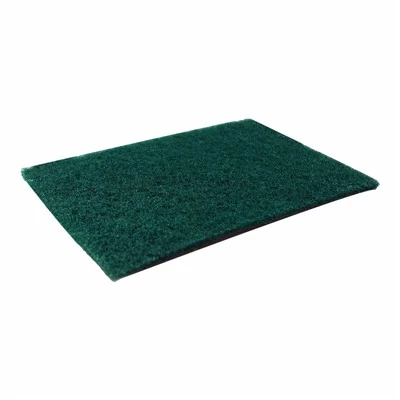
If you’re interested in learning more about our scrub sponges or placing an order, don’t hesitate to reach out. We’re here to help you find the right product for your needs, answer any questions about cleaning or usage, and make sure you get exactly what you’re looking for.
Scouring Pads References
USDA Food Safety and Inspection Service. (2017). “Kitchen Sponges and Dishcloths: Cleaning and Sanitizing Tips.”
Journal of Environmental Health. (2010). “Bacterial Contamination of Kitchen Sponges and Methods of Decontamination.”
University of California Statewide IPM Program. (2022). “Natural Disinfectants for Household Use.”
Guangzhou YION New Material Technology Co., Ltd.
As one of the most professional scrub sponges manufacturers and suppliers in China, we offer a wide range of products with superior quality. Please feel free to buy customized scrub sponges made in China here from our factory. Also, quotation is available.
Address: Room 110, Building 2, No. 2 Jinhuan Street, Nansha District, Guangzhou City, Guangdong Province, China.
E-mail: info@yiontech.cn
WebSite: https://www.yionpads.com/
