If you’ve ever wandered through a traditional Chinese neighborhood market on a crisp weekend morning, you’ve probably smelled it: the warm, buttery scent of pastry dough baking, layered with a subtle, earthy sweetness that lingers in the air long after you’ve passed the stall. As a third-generation supplier of handcrafted traditional Chinese pastries, I’ve spent my life perfecting the recipes that make these treats feel like a hug—especially those with sweet potato paste filling, a humble ingredient that turns simple dough into something memorable. What many people don’t realize is that sweet potato paste isn’t just a filling; it’s a thread that weaves together regional history, seasonal tradition, and the quiet art of Chinese pastry-making. Today, I want to take you through some of the most beloved traditional Chinese pastries that feature this golden, velvety filling, and the stories that make each one special. Traditional Chinese Pastries
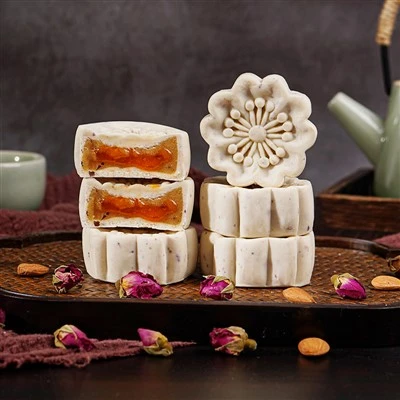
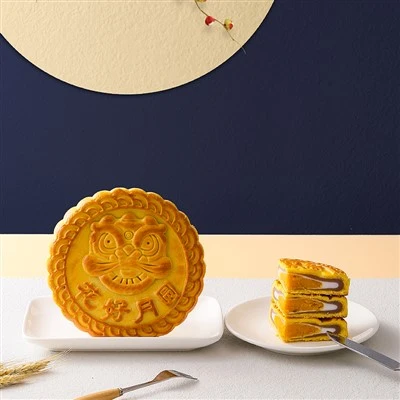
Let’s start with the most iconic of them all: the sweet potato paste mooncake. Mooncakes are synonymous with mid-Autumn Festival, a holiday when families gather to celebrate the harvest, share stories, and pass these round pastries between loved ones for good fortune. For centuries, mooncake fillings were often made with lotus seed paste or red bean paste, but sweet potato paste emerged as a beloved alternative, especially for younger generations and those who prefer a less heavy, less cloying sweetness. What makes our supplier’s version unique? We use red-skated sweet potatoes from the coastal regions of Fujian, where the sandy soil gives the roots a higher starch content and a deeper, caramel-like sweetness. We steam them for exactly 20 minutes, until they’re soft enough to mash, then simmer them for another 15 minutes with a touch of rock sugar and a pinch of osmanthus flower—adding a floral note that cuts through the richness of the flaky, layered pastry crust. The crust itself is a balance of wheat flour, lard, and a small amount of invert sugar, which gives it a delicate, crumbly texture that melts in your mouth, letting the sweet potato paste’s natural flavor shine through. Unlike modern mooncakes that are loaded with preservatives or artificial flavors, our sweet potato mooncakes are made the old-fashioned way—baked in small batches and sold fresh within three days, just like they were in my grandfather’s time.
Next, we have the sweet potato paste stuffed sesame ball, known in Chinese as zhi ma qiu. These small, round pastries are a staple at street food stalls and small-town bakeries, and they’re perfect for a quick, on-the-go snack. The process of making sesame balls is part science, part magic: you start with a dough made from glutinous rice flour, warm water, and a tiny bit of oil, then roll it out into small circles, wrap a spoonful of sweet potato paste inside, and shape it into a smooth ball. The key to a good sesame ball is coating it thoroughly in white sesame seeds, then deep-frying it at the exact right temperature—around 180 degrees Celsius—so that the outside puffs up into a crispy, golden shell while the inside remains gooey and warm. The sweet potato paste here is a little denser than the mooncake filling, because it has to hold its shape during frying. We use a mix of purple and orange sweet potatoes for our sesame balls, adding a subtle color contrast and a hint of nutty flavor that pairs perfectly with the toasty sesame seeds. Kids and adults alike go crazy for these—when you bite into one, there’s that satisfying crunch of the sesame shell, followed by the soft, sweet paste that oozes out, and it’s impossible to stop at just one.
Moving from street snacks to festive pastries, we have the sweet potato paste filled sachima, a treat that’s deeply tied to northern Chinese winter traditions. Sachima (also called saqima) is a light, fluffy dessert made from fried dough strips bound together with a sweet syrup, and for generations, people have been filling the center with sweet potato paste to add a layer of warmth and complexity. The sweet potato paste here is cooked a little longer, until it’s thick enough to hold its own between the dough strips. We make our sachima with plain flour instead of glutinous rice flour, so the dough strips are delicate and airy, and the syrup is made from maltose, which gives it a subtle, earthy sweetness that doesn’t overpower the sweet potato. What I love about sachima is that it’s a pastry that can be enjoyed any time of year, but it feels especially comforting during the cold winter months—each bite is chewy, sweet, and just a little bit creamy from the paste. Many of our customers tell us that their grandmothers used to make sachima with sweet potato paste during Chinese New Year, and passing that recipe down to their own kids is one of the reasons they keep coming back to our products.
Another underrated gem is the sweet potato paste filled tea cake, popular in the Jiangnan region (the area around Shanghai and Suzhou). These are small, steamed pastries, which sets them apart from most other Chinese pastries that are baked or fried—so they’re lighter, softer, and have a more subtle flavor. The dough is made from rice flour and wheat starch, which gives the tea cake a translucent, slightly chewy texture, perfect for pairing with tea. The sweet potato paste here is lightened up a bit with a spoonful of lotus seed paste, so it’s not too rich, and we often add a small piece of dried goji berry on top for a pop of color. The tradition of pairing tea cakes with tea goes back centuries in China, and the sweet potato tea cake is ideal for that—it’s not too sweet, it’s gentle on the palate, and the natural sweetness of the sweet potato complements both green tea and black tea equally well. I’ve had customers tell us that they bring these to office meetings as a light afternoon snack, and they’re always a hit—way more interesting than a regular cookie, and they feel like a small piece of traditional culture.
Now, let’s talk about what makes sweet potato paste such a versatile and beloved filling in Chinese pastries. For one thing, it’s accessible—sweet potatoes have been grown in China since the 16th century, and they thrive in many different climates, so they’ve always been an affordable ingredient for bakers, both home and professional. Unlike lotus seed paste, which takes hours to prepare, sweet potato paste is relatively easy to make, which is why it’s been adopted by so many different regions and pastry styles. But it’s not just about accessibility—sweet potato has a unique flavor profile: it’s sweet, earthy, and a little bit nutty, with a texture that’s velvety when cooked right. It’s also naturally moist, so it keeps pastries fresh longer than some other fillings, which was a crucial factor before refrigeration existed. In traditional Chinese medicine, sweet potatoes are considered a warming food, good for strengthening the spleen and stomach, so adding them to pastries was not just a tasty choice—it was a healthy one, especially during the winter months. That blend of taste, accessibility, and traditional wisdom is why sweet potato paste has stuck around for centuries, and why it continues to evolve with modern tastes.
As a supplier, what makes our sweet potato paste filled pastries different from what you might find in a regular bakery? We don’t cut corners. We source our sweet potatoes from small, family farms that use sustainable, traditional farming methods—no GMOs, no harsh chemicals, just soil and sun. We steam each batch of sweet potatoes in small stainless steel pots, so we can control the heat and make sure every batch is evenly cooked. We don’t use artificial sweeteners or preservatives; the only sweeteners we use are rock sugar and a small amount of maltose, depending on the pastry. And we make our dough fresh every day, in small batches, so you get that same texture that you’d get from a home baker’s kitchen, not a mass-produced factory. We work with cafes, restaurants, specialty food shops, and event planners across the country, and we’ve found that our customers value that authenticity—they want to offer their customers something that’s not just delicious, but has a story, something that feels real and connected to Chinese culture.
If you’re a food service professional, a specialty retailer, or an event organizer looking to add unique, crowd-pleasing pastries to your menu or inventory, our sweet potato paste filled traditional Chinese pastries are a perfect choice. We can work with you to customize orders, whether you need small batches for a local market or large volumes for a national café chain, and we offer a range of options—from classic mooncakes to sesame balls, sachima, and tea cakes—all made with the same care and traditional methods. Our team has years of experience in the Chinese pastry industry, and we’re happy to share more about the history of each pastry, the ingredients we use, and how we can tailor our products to fit your needs. Whether you’re looking to add a traditional item to your holiday menu, offer a new snack for your customers, or create a unique dessert for a cultural event, we can help.
We invite you to get in touch with our team to learn more about our products, discuss bulk ordering, or schedule a tasting of our sweet potato paste filled pastries. We’re passionate about sharing the rich tradition of Chinese pastries, and we believe that these treats—simple, flavorful, and full of history—have a place in every bakery, restaurant, and specialty food shop. Whether you’re familiar with traditional Chinese pastries or just starting to explore, our sweet potato paste filled treats are a wonderful way to connect with that heritage, and to offer your customers something that’s both delicious and meaningful.
Frozen Pastries References
- Anderson, E. N. (1988). The Food of China. Yale University Press.
- Huang, H. T. (2000). Science and Civilisation in China: Volume 6, Biology and Biological Technology, Part 5, Fermentations and Food Science. Cambridge University Press.
- Valenstein, S. (1989). The Great Age of Chinese Ceramics: The Sung and Liao Dynasties. Metropolitan Museum of Art. (Note: While this focuses on ceramics, it includes references to ancient Chinese food culture and daily practices that contextualize pastry-making traditions.)
- Xu, S. (2015). Traditional Chinese Confectionery: History and Regional Variations. Journal of Ethnic Foods, 2(3), 121-128.
Fujian Luchen Food Co., Ltd.
As one of the most professional traditional chinese pastries manufacturers and suppliers in China since 1986, our products have good reputation in the market. Please feel free to wholesale bulk delicious traditional chinese pastries from our factory. Good service and quality products are available.
Address: No. 19, Shangxipulou, Nansheng Town, Pinghe County, Zhangzhou City, Fujian Province
E-mail: service@xmnahan.com
WebSite: https://www.luchenbakery.com/
