If you’ve ever worked with industrial materials for filtration, ventilation, or structural support, chances are you’ve crossed paths with expanded metal—especially small hole expanded metal. As a supplier of this specific product, I get a lot of questions from potential clients: “How well does it hold up under harsh chemicals?” “Will it corrode when exposed to acids or alkalis?” The truth is, chemical resistance isn’t a one-size-fits-all trait; it depends on a mix of material composition, hole size, manufacturing process, and even the environment it’s used in. Over the past 12 years, I’ve helped hundreds of businesses tailor small hole expanded metal to their unique needs, and today I want to break down what you need to know about its chemical resistance—no overly technical jargon, just practical, industry-tested insights. Small Hole Expanded Metal
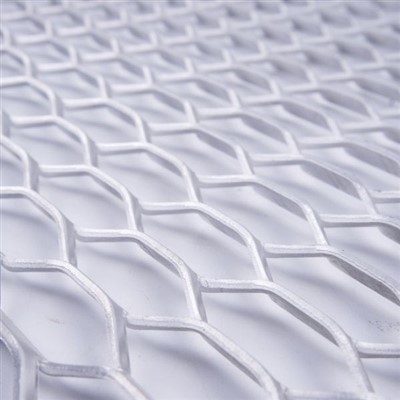
First, let’s start with the basics for anyone new to small hole expanded metal. Unlike perforated metal, which is made by punching holes into a solid sheet, expanded metal is created by slitting a metal sheet in a specific pattern and then stretching it. This process creates interlocking diamond-shaped openings—small hole variants typically have openings between 3mm and 10mm, with a thickness ranging from 0.5mm to 3mm. The small hole size is a game-changer for applications like liquid filtration, food processing, and architectural cladding, where precision and uniformity matter more than large, open gaps. But that same slitting and stretching process also slightly alters the metal’s surface and grain structure, which plays a bigger role in chemical resistance than most people realize.
The foundation of any metal’s chemical resistance is its base material. This is the single most important factor I walk clients through during our first call, because choosing the wrong metal can lead to costly failures—think corroded filtration screens that need replacement every month, or structural panels that weaken after a year of exposure to acidic cleaning solutions. Let’s cover the most common materials we use for small hole expanded metal, and how each performs against common industrial chemicals:
Stainless steel is the workhorse of our small hole expanded metal line, and for good reason. For most general industrial environments, 304 stainless steel (also called 18/8 stainless) offers excellent resistance to mild acids like acetic acid (vinegar), citric acid, and weak solutions of sulfuric acid up to concentrations of 10%. It also stands up well to alkalis such as sodium hydroxide (caustic soda) at room temperature, as long as the pH level stays below 12. That said, 304 stainless steel has a well-known weak point: it’s susceptible to corrosion from chloride ions, which are found in saltwater, swimming pool chemicals, and even some road salts. If you’re working with chlorides, we often recommend upgrading to 316 stainless steel, which contains 2-3% molybdenum. That small addition makes a huge difference: 316 stainless steel resists chloride corrosion far better than 304, making it ideal for marine applications, pharmaceutical manufacturing, and food processing where salt is used. Even when working with 316, though, there are limits: prolonged exposure to concentrated hydrochloric acid (muriatic acid) will cause pitting, so we never recommend it for that application without additional coatings or design modifications.
Next, mild steel (also called carbon steel) is a popular choice for low-cost structural applications, but its chemical resistance is significantly lower than stainless steel. Mild steel reacts readily with water and most acids, including sulfuric and nitric acid, leading to rapid rusting. The upside is that we can coat mild steel small hole expanded metal with galvanization (hot-dip zinc coating) or powder coating to boost its chemical resistance. Hot-dip galvanized small hole expanded metal, for example, works well for outdoor applications like garden screens or walkway grates where it’s exposed to rain and mild atmospheric chemicals; the zinc coating acts as a sacrificial barrier, corroding before the underlying steel. Powder-coated variants take this a step further, with a durable polymer layer that resists many mild chemicals, cleaning agents, and UV light—perfect for architectural cladding or interior partitions in places like schools or office buildings. The tradeoff is that coatings can chip or scratch during installation, exposing the base metal to corrosion, so we always advise inspecting coated parts upon delivery and touching up any damage before installation.
Aluminum is another material we offer for small hole expanded metal, prized for its lightweight and high thermal conductivity. Its chemical resistance comes from a thin, naturally occurring oxide layer that forms on its surface when exposed to air, which protects it from many mild chemicals. Aluminum resists weak acids like vinegar and citric acid, and performs well in alkaline environments with pH levels between 4 and 9. Where aluminum struggles, though, is with strong acids (like hydrochloric or sulfuric acid) and highly concentrated alkalis, which will eat through the oxide layer and cause rapid corrosion. We often anodize aluminum small hole expanded metal for outdoor or harsher environments—anodizing thickens the oxide layer, making it more resistant to scratches and chemicals, and we can even color anodize it for aesthetic applications like facade panels.
Now, you might be wondering: does the small hole size itself affect chemical resistance? This is a question I get often, especially from clients working with filtration systems. The short answer is: yes, but not in the way you might think. The key factor here is surface area. Smaller hole sizes mean more edges per square inch of metal—remember, expanded metal is made by slitting and stretching, so every diamond edge is a newly cut edge. Those cut edges have slightly different grain structures than the original sheet surface, and in some cases, they can be more susceptible to corrosion if not properly treated. For example, uncoated 304 stainless steel small hole expanded metal with 3mm holes has a higher surface area ratio than a 10mm hole variant, so it will react slightly faster to aggressive chemicals. That’s why we always offer edge finishing services for critical applications: things like electropolishing, which smooths out the cut edges and removes surface contaminants, or passivating, which creates a uniform protective oxide layer across the entire metal surface. For clients working with aggressive chemicals, that extra step can extend the lifespan of their small hole expanded metal by 2-3 times, based on our in-house testing and field data.
Another often-overlooked factor in chemical resistance is the application environment. It’s not just the chemicals themselves—temperature, concentration, and exposure duration all play a role. A common example: sulfuric acid at room temperature (20°C) in a 5% concentration will barely affect 316 stainless steel, but at 60°C and 50% concentration, it will cause significant corrosion within weeks. Similarly, intermittent exposure to a chemical (like a part used in a cleaning cycle that only encounters acid for 2 hours a day) is less damaging than continuous immersion. I always advise clients to share as much detail as possible about their operating environment when they reach out: what chemicals are being used, what temperatures they’re at, how often the material is exposed, and whether it’s submerged, suspended, or mounted as a screen. That information lets me recommend the right material, hole size, and finishing to avoid premature failure.
I also want to address some common misconceptions I hear from clients. One big one is that “stainless steel is completely corrosion-proof.” That’s simply not true—no metal is. Stainless steel resists corrosion better than most, but it’s not invincible. I had a client last year who installed 304 stainless steel small hole expanded metal filtration screens in a saltwater fish farm; within 6 months, the screens had pitted and needed replacement. We switched them to 316 stainless steel, and those same screens have now been in use for 4 years with no issues. Another misconception is that coating always solves chemical resistance issues. A client once asked us to powder coat small hole expanded metal that would be exposed to 20% sulfuric acid—powder coating can resist that acid for a short time, but over time, the acid will seep into any tiny imperfections in the coating and cause corrosion under the surface. In that case, we recommended using uncoated 316 stainless steel with electropolished edges instead, which was a far better long-term solution.
Over the years, I’ve also learned that testing is non-negotiable for high-stakes applications. We offer small sample testing to all our clients—for a nominal fee, we’ll cut a 100mm x 100mm piece of the small hole expanded metal you’re considering, expose it to your specific chemical and operating conditions for a set period, and send you a report on any corrosion, weight loss, or structural changes. This might seem like an extra step, but it has saved clients thousands of dollars in replacement and downtime costs. For example, a chemical processing plant we worked with recently was testing three different materials for a new filtration system; after 30 days of testing, we found that 316 stainless steel with electropolished edges had zero corrosion, while aluminum alloy had 15% weight loss and uncoated mild steel had 40% weight loss. That testing let them choose the right material on the first try, no guesswork.
At the end of the day, the chemical resistance of small hole expanded metal is a balance of material choice, manufacturing quality, and application-specific design. As a supplier, my job isn’t just to sell you a product—it’s to help you understand what will work for your unique needs, avoid costly mistakes, and ensure your material lasts as long as possible. I’ve seen too many businesses cut corners on material selection or skip testing, leading to parts that fail prematurely, delays in projects, and unnecessary expenses. That’s why I take the time to walk through every detail with each client, no matter the size of the order.

If you’re working on a project that involves small hole expanded metal and you have questions about chemical resistance, I’d love to hear from you. Whether you’re in the food and beverage industry, chemical processing, marine engineering, or architectural design, I have the field experience and technical knowledge to help you find the right solution. We can provide samples, test reports, or custom sizing to fit your exact requirements—no generic advice, just honest, practical guidance based on decades of working with this material.
Standard Expanded Metal References:
- ASM International. (2005). Corrosion: Understanding the Basics. ASM International.
- Stainless Steel World. (2018). Selection Guidelines for Stainless Steels in Corrosive Environments. KCI Publishing.
- Expanded Metal Manufacturers Association. (2021). Technical Manual for Expanded Metal Product Design and Application. EMMA.
- Davis, J.R. (2000). Aluminum and Aluminum Alloys. ASM International.
- National Association of Corrosion Engineers. (2019). Practical Corrosion Control for Industrial Facilities. NACE International.
Anping Yilida Metal Wire Mesh Co., Ltd.
Anping Yilida Metal Wire Mesh Co., Ltd. is one of the most reliable small hole expanded metal manufacturers and suppliers in China, also supports customized service. Please feel free to buy bulk high quality small hole expanded metal made in China here from our factory.
Address: Wire Mesh Development Zone, Anping, Hebei Province, China
E-mail: sales@wiremesh-yg.cn
WebSite: https://www.yilidametal.com/
