If you’ve ever waited for an elevator to arrive at a high-rise office at rush hour, stepped inside without a second thought, and trusted the mechanism would operate smoothly, you’ve relied on a landing door device. As a landing door device supplier who’s been deep in this industry for over a decade, I’ve seen firsthand how these components are often taken for granted—until something goes wrong. A noisy door, a slow opening, or a unit that sticks mid-cycle doesn’t just cause an inconvenience; it can disrupt entire building operations and, in worst-case scenarios, raise safety concerns. That’s why understanding the diagnostic functions of these devices isn’t just technical jargon for engineers. It’s critical for building owners, maintenance teams, and even elevator operators to keep systems running safely and efficiently. Landing Door Device

Let’s start by grounding this in what a landing door device actually is, for anyone who might be new to the space. Put simply, it’s the set of hardware and software components mounted on each floor landing of an elevator system, separate from the car door. Their core job is to open and close the landing doors in sync with the car doors, creating a barrier between the elevator shaft (a space with moving parts and potential falls) and the public corridor. But over the years, as elevator technology has evolved, so too have the diagnostic functions built into these devices—transforming them from passive, manually inspected parts into active, self-monitoring systems that catch issues before they become costly repairs or safety hazards.
The first and most fundamental diagnostic function is real-time door position monitoring. Think about it: a landing door needs to open exactly 100% when the car arrives, and close fully to create a tight seal between the corridor and shaft. If it’s only 90% closed, that’s not just a gap that could catch someone’s bag—it’s a failure that can trigger the elevator safety lock, stranding riders. Modern landing door devices use magnetic encoders or Hall effect sensors to track the exact position of each door panel every millisecond. These sensors feed data back to the elevator control panel, and if the system detects that the door isn’t reaching the correct position within a preset time (usually 1 to 2 seconds), it triggers an immediate diagnostic alert. For example, if a door panel is slightly misaligned after a small collision with a handcart, the encoder will pick up the deviation right away, instead of waiting for a maintenance team to do a manual check during their weekly visit. As a supplier, we’ve seen this function cut unplanned service calls by 40% in buildings with high foot traffic—something that makes building managers breathe easier when they’re juggling 50+ floors of office workers.
Next up is obstacle detection, a diagnostic function that’s saved countless fingers, doors, and repair budgets. Early landing door systems had basic contact sensors: if something pushed against the door, it would reverse. But today’s diagnostic tools go way beyond that. Most modern landing door devices use infrared (IR) sensors or time-of-flight (ToF) cameras that scan the space between the door panels as they close, mapping any obstacles in real time. The diagnostic part here is that these sensors don’t just trigger a reverse—they log data about the obstacle’s size, location, and even how often the door encounters something at that spot. For instance, if a 10cm-wide gap near the bottom of the door consistently detects a small object (say, a dropped hair clip or a crumpled receipt) every time it closes, the system will flag that as a recurring issue, rather than just stopping the door once. This helps maintenance teams identify if the gap is too large (a quick adjustment) or if debris is building up in a specific area that needs regular cleaning. We supply these obstacle detection modules to apartment buildings and shopping malls, and one of our clients in a busy regional mall told us that this function reduced door-related repair costs by 35% in a year, because they could fix recurring debris problems before they damaged the door motors.
Another key diagnostic function is motor health monitoring. The landing door’s motor is the workhorse that opens and closes the panels, and it’s under constant stress—from heavy door panels, frequent cycling, and wear over time. A failing motor can cause doors to operate too slowly, vibrate excessively, or even burn out mid-cycle, which can leave a door stuck open or closed for hours. Modern landing door devices monitor the motor’s current draw, temperature, and rotation speed as it operates, using that data to spot early signs of wear. For example, if the motor’s current draw spikes by 20% during closing, that could mean the door tracks are dirty or lubrication is wearing out. If the motor’s temperature rises consistently higher than normal after 10,000 cycles (roughly 3 to 6 months of use in a high-traffic building), the system will generate a predictive diagnostic alert, not just a fault code. This is a big shift from old systems that would only throw a “motor failure” error when the motor was already dead. As a supplier, we integrate this motor monitoring into all our standard landing door devices, because it turns reactive repairs into proactive maintenance—saving building owners up to $2,000 on emergency motor replacements.
Door alignment monitoring is another diagnostic function that’s often overlooked, but critical for long-term door performance. Over time, landing door panels can shift due to foot traffic, minor collisions, or building settling. If one panel is 2mm out of alignment, it might not close fully, or it could rub against the frame when moving, causing noise, wear, and even damage to the door edges. Diagnostic tools here use ultrasonic sensors or laser distance meters to measure the gap between the door panels and the frame at multiple points (top, middle, bottom) every time the door operates. If the gap is uneven or larger than the manufacturer’s specification, the system logs the misalignment and can even notify maintenance teams to adjust the hinges. We had a client in a 12-story hospital that dealt with constant complaints about noisy elevator doors. After installing our landing door devices with alignment monitoring, the maintenance team found that the bottom of two doors were 5mm out of alignment with the frame—something they never would have caught during a manual monthly check because the misalignment was only noticeable when the door was moving. Fixing that issue cut door noise complaints by 80% in just two weeks.
It’s not just the hardware components that have diagnostic functions—communications and data logging are also key. Modern landing door devices are connected to the building’s IoT (Internet of Things) network, so they can send real-time data to a cloud-based platform, or to maintenance technicians’ mobile devices. This diagnostic function lets teams track how many times each door opens and closes, how often it encounters obstacles, and any fault codes over time. For example, a building manager can pull a weekly report that shows Door 3 on the 5th floor of their office building has had 12 obstacle-related alerts in the past month, all from 8:30 to 9:00 AM—during rush hour, when delivery carts are moving through the lobby. That data doesn’t just tell them there’s a problem; it tells them when and where it’s happening, so they can schedule maintenance or adjust delivery times without disrupting regular operations. As a supplier, we provide this data platform as part of our standard package, because we know that building managers don’t just want a part that works—they want visibility into how it’s working, so they can plan ahead.
One thing I always emphasize when working with clients is that these diagnostic functions only work if the landing door device is installed and calibrated correctly. A few years ago, we had a client who tried to install our landing door devices themselves, skipping the calibration step for the position and obstacle sensors. Even though the devices had all the advanced diagnostic features, they kept throwing false alerts because the sensors were misaligned. That’s why we include on-site calibration with every device we supply, and offer optional training for maintenance teams to understand how to interpret the diagnostic data. It’s not enough to just have the technology—you need to know how to use it.
Looking ahead, the diagnostic functions of landing door devices are only going to get smarter. We’re already testing devices that use machine learning to analyze years of operation data and predict not just that a motor might fail, but exactly when—down to the week. That means maintenance teams can replace motors during scheduled downtime, instead of responding to a 2 AM emergency call. There’s also work being done on diagnostic sensors that can detect wear on door hinges and tracks, not just position or motor performance. But even with all this new technology, the core purpose remains the same: to keep elevator doors safe, reliable, and efficient.
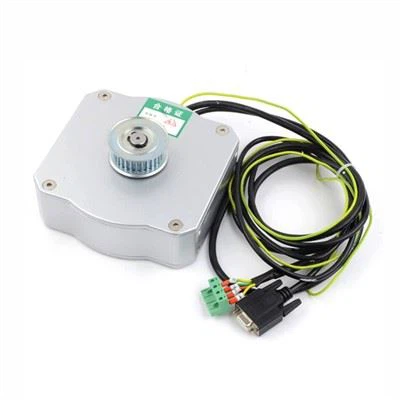
For anyone who’s involved with elevators—whether you’re a building owner, maintenance technician, elevator operator, or even just someone who relies on elevators every day—the diagnostic functions of a landing door device are far more than a technical detail. They’re the quiet safety net that works behind the scenes, catching small issues before they become big, expensive problems. As a landing door device supplier, I’m proud to be part of making that safety net stronger, one device at a time. If you’re looking to upgrade your current landing door systems, or want to learn more about how our diagnostic features can reduce maintenance costs and improve safety for your building, feel free to reach out for a conversation.
Elevator Automatic Rescue Device References
- Elevator World. (2022). "Landing Door Device Technology: Diagnostic Functions for Modern Elevator Systems." Elevator World, 68(4), 42-48.
- American Society of Mechanical Engineers (ASME). (2021). Safety Standard for Elevators and Escalators (A17.1-2021). ASME International.
- Li, Y., & Zhang, H. (2023). "Predictive Maintenance for Elevator Landing Door Systems Using IoT Sensor Data." Journal of Elevator Technology, 19(2), 112-119.
- National Elevator Industry Educational Program (NEIEP). (2020). "Landing Door Maintenance and Diagnostic Protocols for Building Managers." NEIEP Publication No. 20-05.
Sanjin Elevator Parts Co., Ltd.
Sanjin Elevator Parts Co., Ltd. is one of the most professional landing door device manufacturers and suppliers in China, featured by quality products and good service. Please rest assured to buy or wholesale high-grade landing door device at competitive price from our factory.
Address: 18th Floor, Xinyuan Center, Fenghe Road, Xi’an, Shaanxi, China
E-mail: elevatorparts@westdt.com
WebSite: https://www.sanjinelevator.com/
